Three missions, different stages
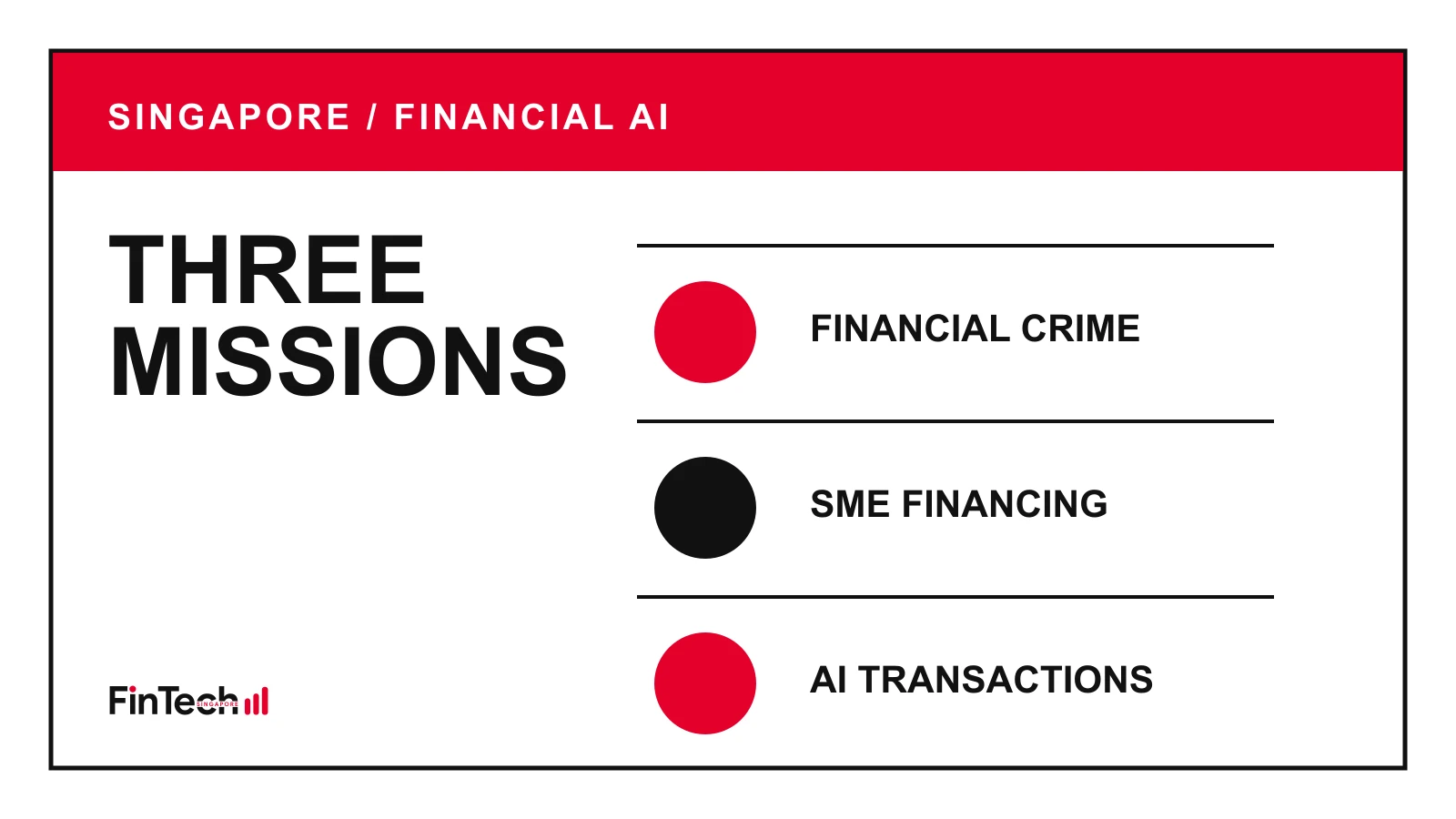
Singapore has set out three national AI missions for financial services: detecting financial crime, improving access to business financing and enabling AI agents to conduct transactions safely. The work brings together financial institutions, technology companies, researchers and public agencies; much of it remains at the testing or design stage.
Deputy Prime Minister and MAS chairman Gan Kim Yong announced the missions at the Singapore FinTech Festival on 18 November. MAS and the Future of Finance Institute (FFI) subsequently described the initiatives supporting them.
Tracking scams across institutions
A proof of value involving five banks is already underway. It pools transaction data securely so AI models can identify patterns across institutions that might not be visible to one bank alone, Gan said.
The findings are intended to inform an industry-wide Scam Detection Utility. MAS plans to start a design study in early 2027 covering its governance and operating model. This is a proposal being designed, not a claim that an industry-wide utility is already live.
Separately, MAS and FFI say the AI Innovation Arena will initially provide developers with a synthetic dataset reflecting interbank transaction patterns and scam activity from the five-bank work. Synthetic data is generated to resemble real-world patterns; the announcement describes it as a way to train and evaluate models, not an automatic solution to all scams.
Testing a different view of SME credit
The second mission looks at whether AI and better-connected information can improve financing assessments for businesses, particularly SMEs and newer firms with limited records or collateral. Information from invoices, accounts, payments and public records can be fragmented, Gan said.
Technology companies will be invited to develop and test solutions using realistic synthetic data. Financial institutions and public agencies will contribute data and expertise, with feedback sought from SMEs. MAS says it will assess results before deciding what longer-term data and infrastructure are needed to scale promising approaches.
For borrowers, a fuller picture could eventually change how lenders assess an application, but the announcement does not guarantee a loan, lower rate or immediate change to eligibility. The practical test will be whether assessments are accurate, explainable and fair, and whether firms can understand and challenge decisions that affect them.
AI agents within defined limits
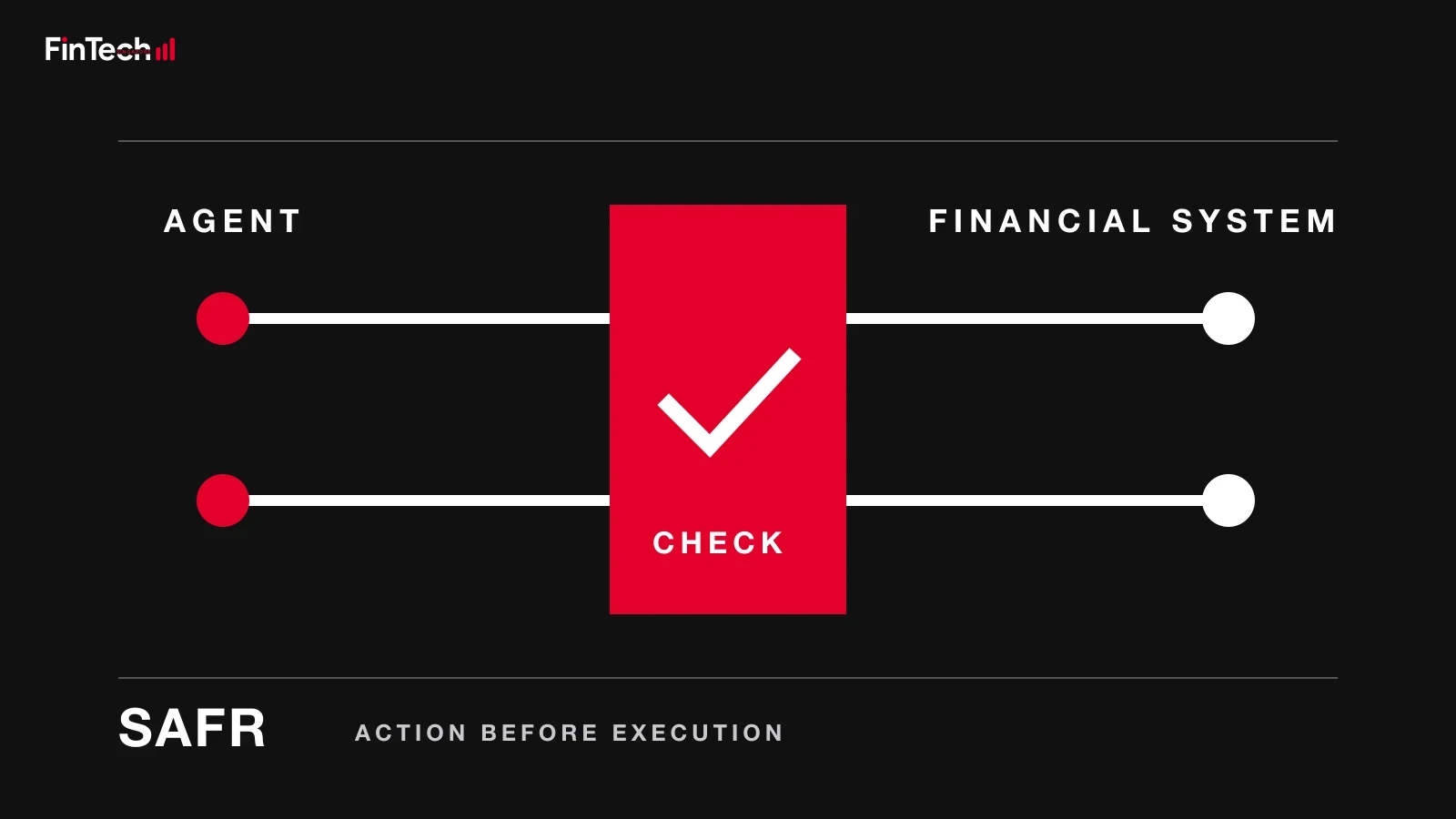
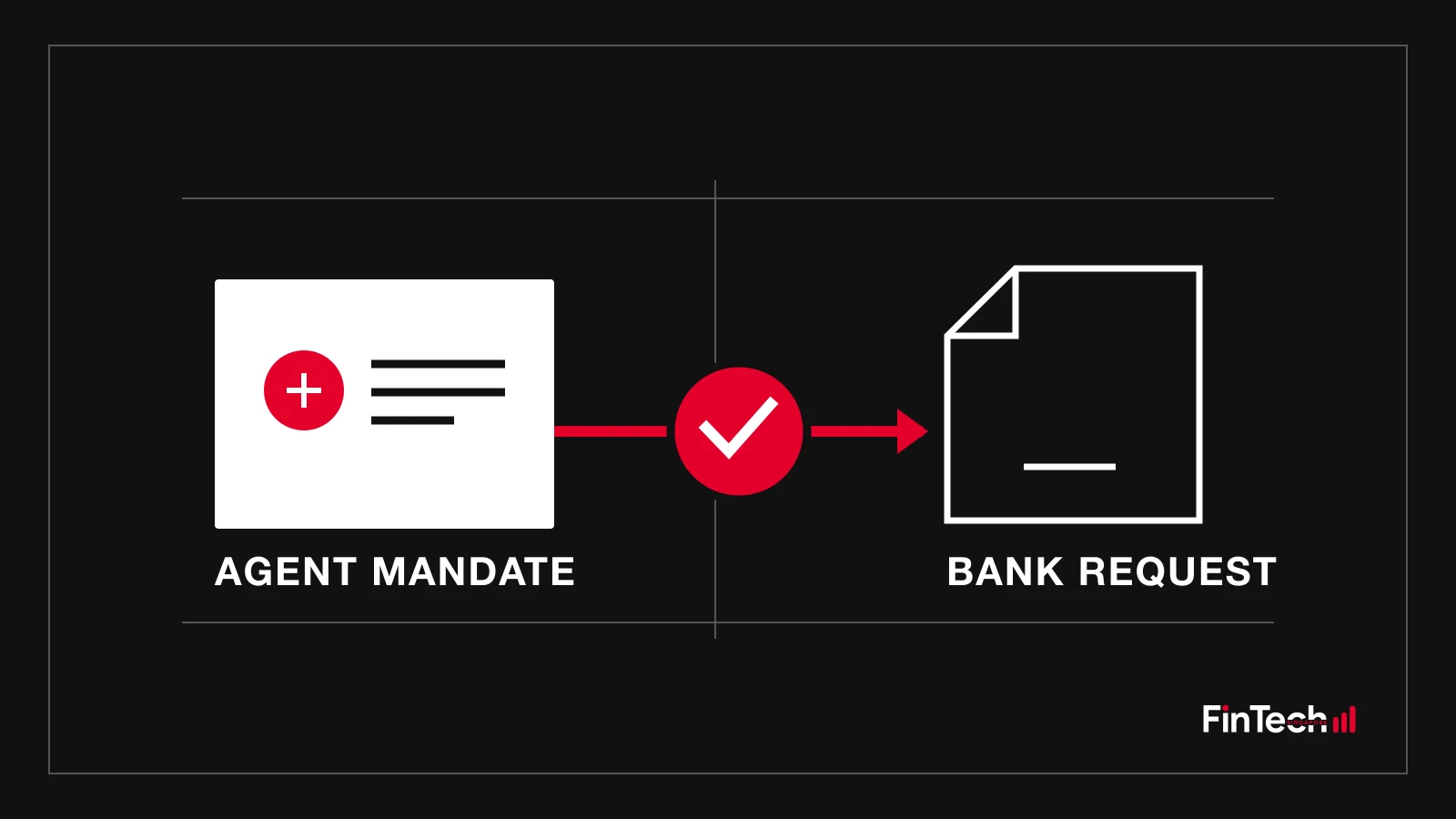
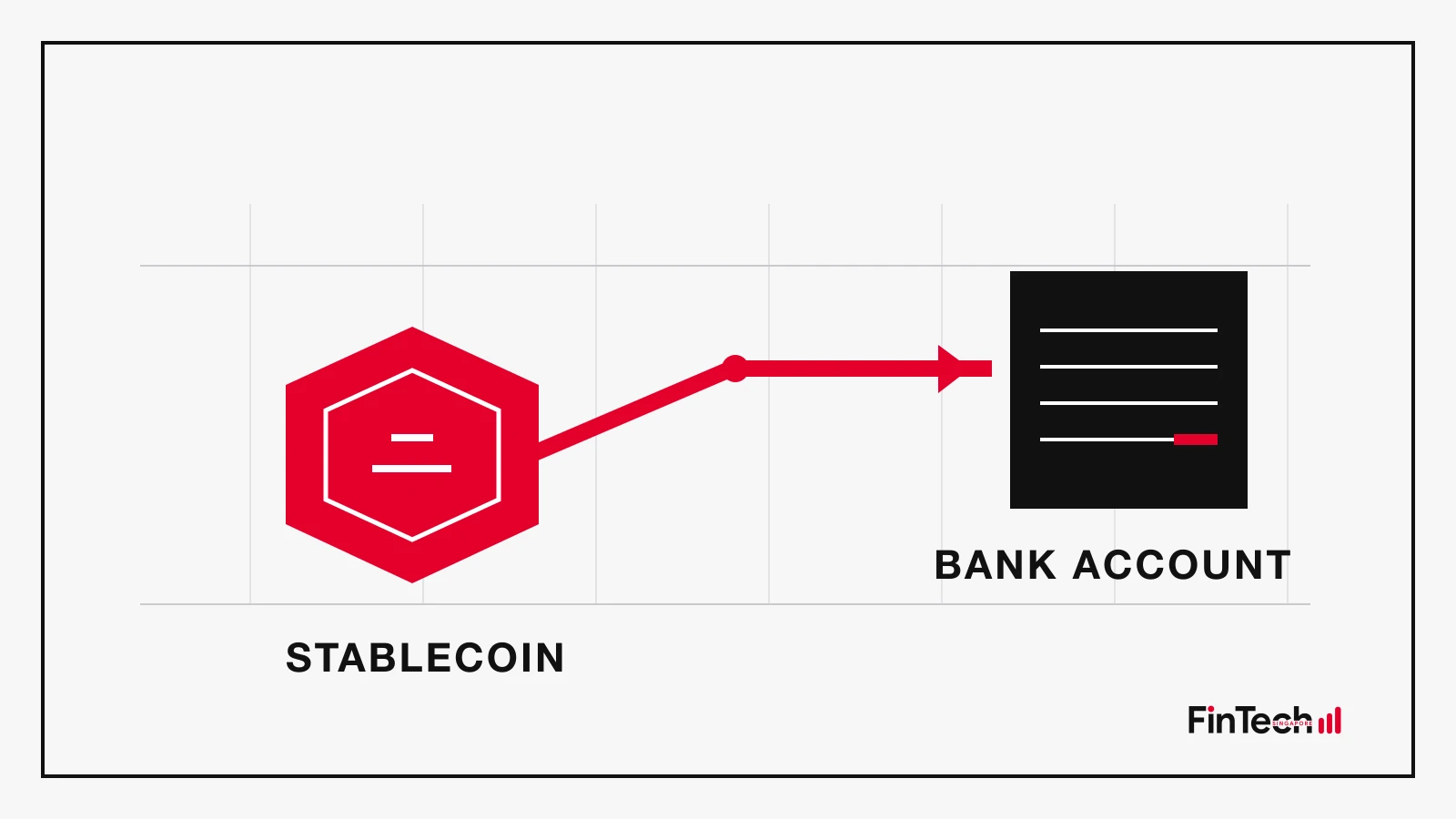
The third mission examines how software agents could carry out transactions for people and businesses. FFI plans an Agentic Money Sandbox where financial institutions can test agents using digital money under specified authority, limits and safeguards. Initial use cases include agent-initiated payments and treasury management between participating institutions.
This is a controlled testing environment, not a newly available consumer payment service. Gan said institutions and enterprises remain accountable for actions taken on their behalf. Identity, delegated authority, controls and interoperability remain issues for the trials.
Why the distinction matters
Singapore's earlier FFI launch established a wider programme for developing financial-sector AI. The new announcement identifies three mission areas and adds details of the proposed utility study, test data and sandbox. DBS, OCBC, Standard Chartered and UOB were named as FFI financial-institution launch partners.
Gan also addressed recent US controls on advanced semiconductors. He said Singapore is assessing the implications with affected companies and engaging US authorities on access. The mission announcement does not establish that any particular finance project has been delayed by those controls.
Fintech.com.sg's assessment is that the proposals could address gaps that individual institutions struggle to solve alone, especially where a payment moves across banks. But success will depend on governance, data protection, reliable testing and accountability. Readers should treat the potential benefits as objectives until the pilots produce evidence and any wider service is actually deployed.