Where USDC would fit in the payment
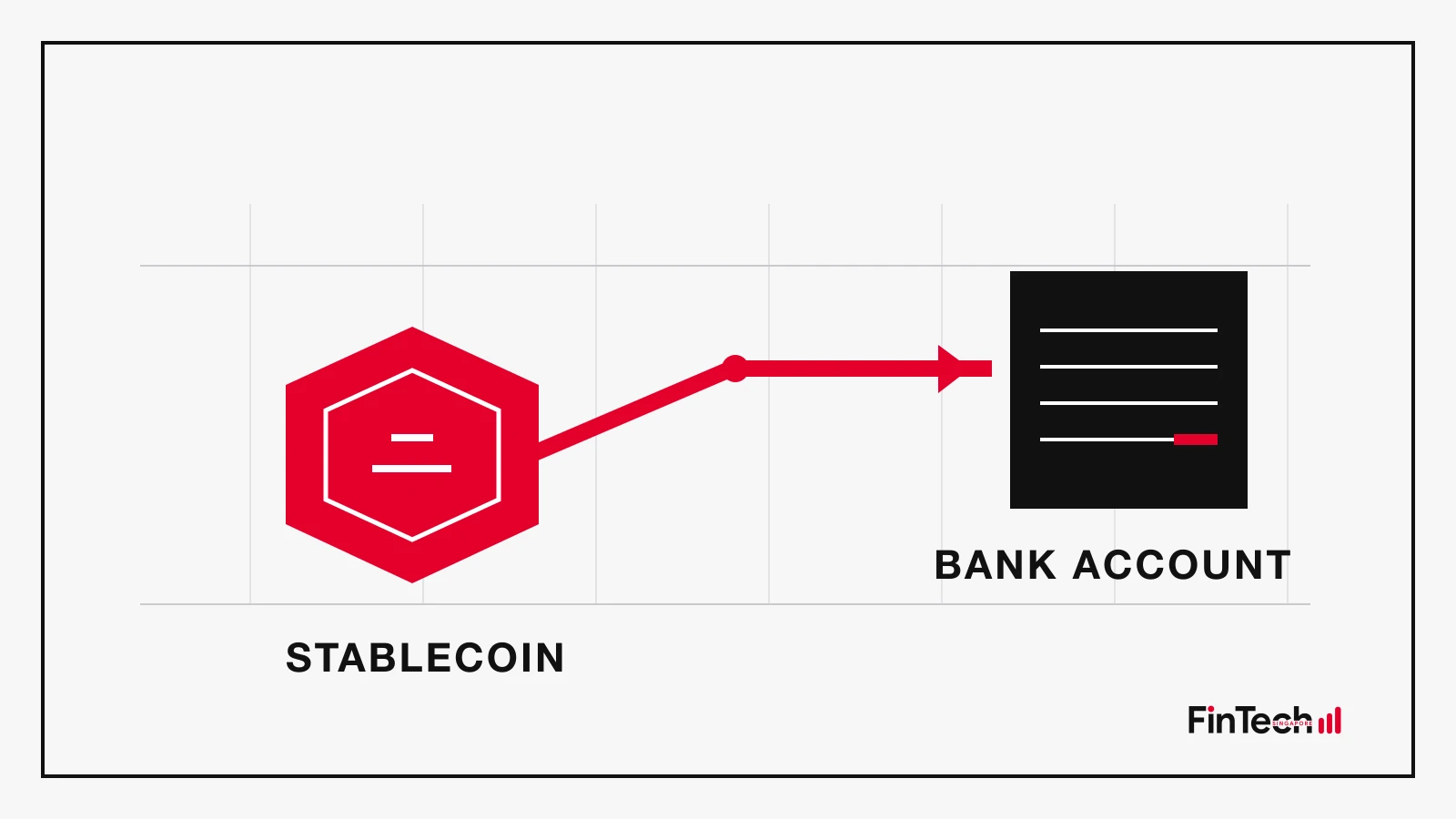
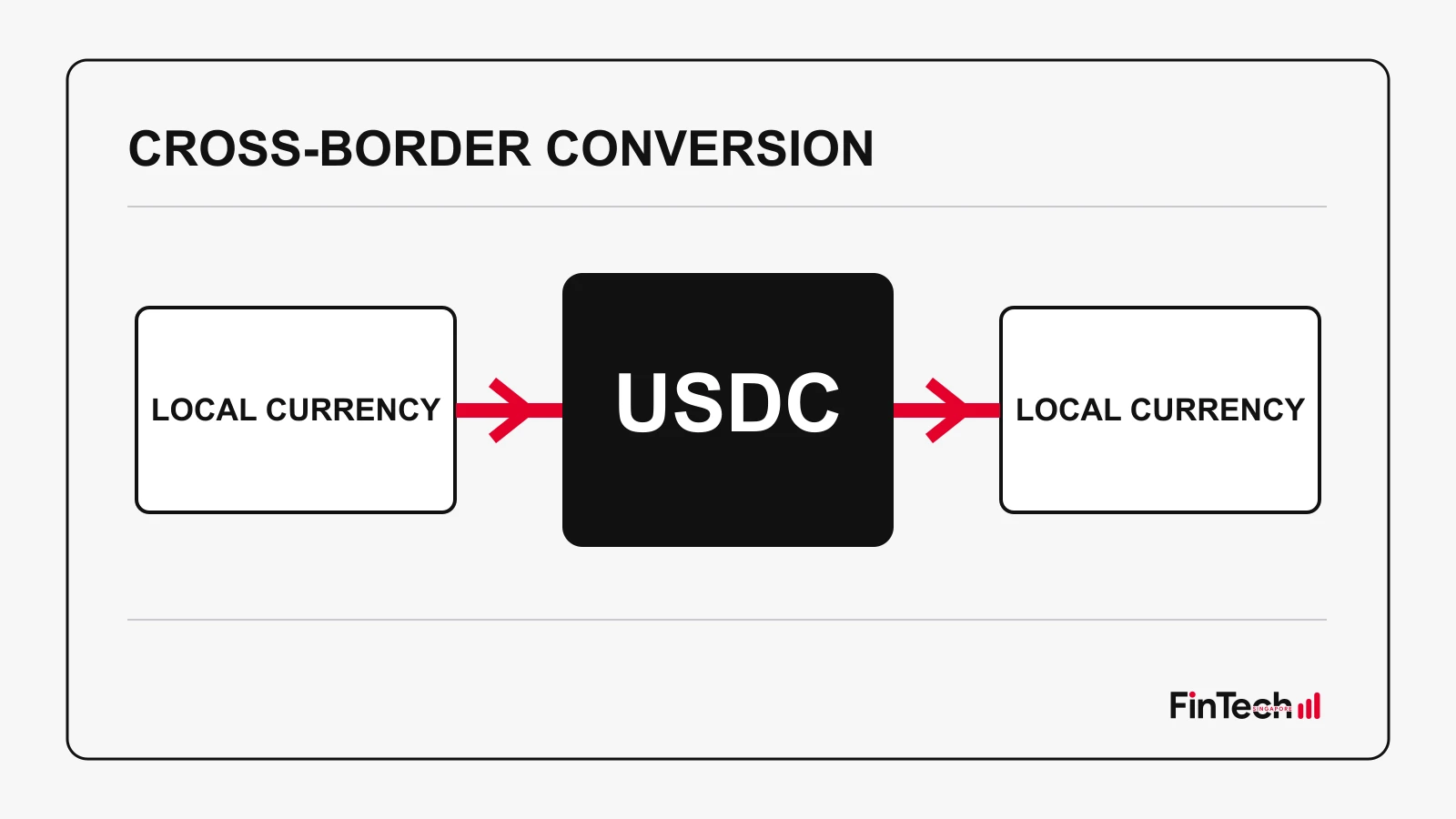
A cross-border payment can move in USDC and still end with a credit in local currency. The conversions at either end are the part M-DAQ Global wants to bring into one connection. On 20 November, the Singapore fintech announced a partnership with Circle Internet Financial. It is developing a way for institutional clients to convert local currency into USDC and to exchange USDC back into fiat currency.
Circle describes USDC as a digital currency designed to be redeemed one-for-one in US dollars. A transfer that starts in Singapore dollars and ends in another local currency may still need two currency quotes and a local payout. M-DAQ has given no list of supported currencies, countries, blockchains or banks for this integration.
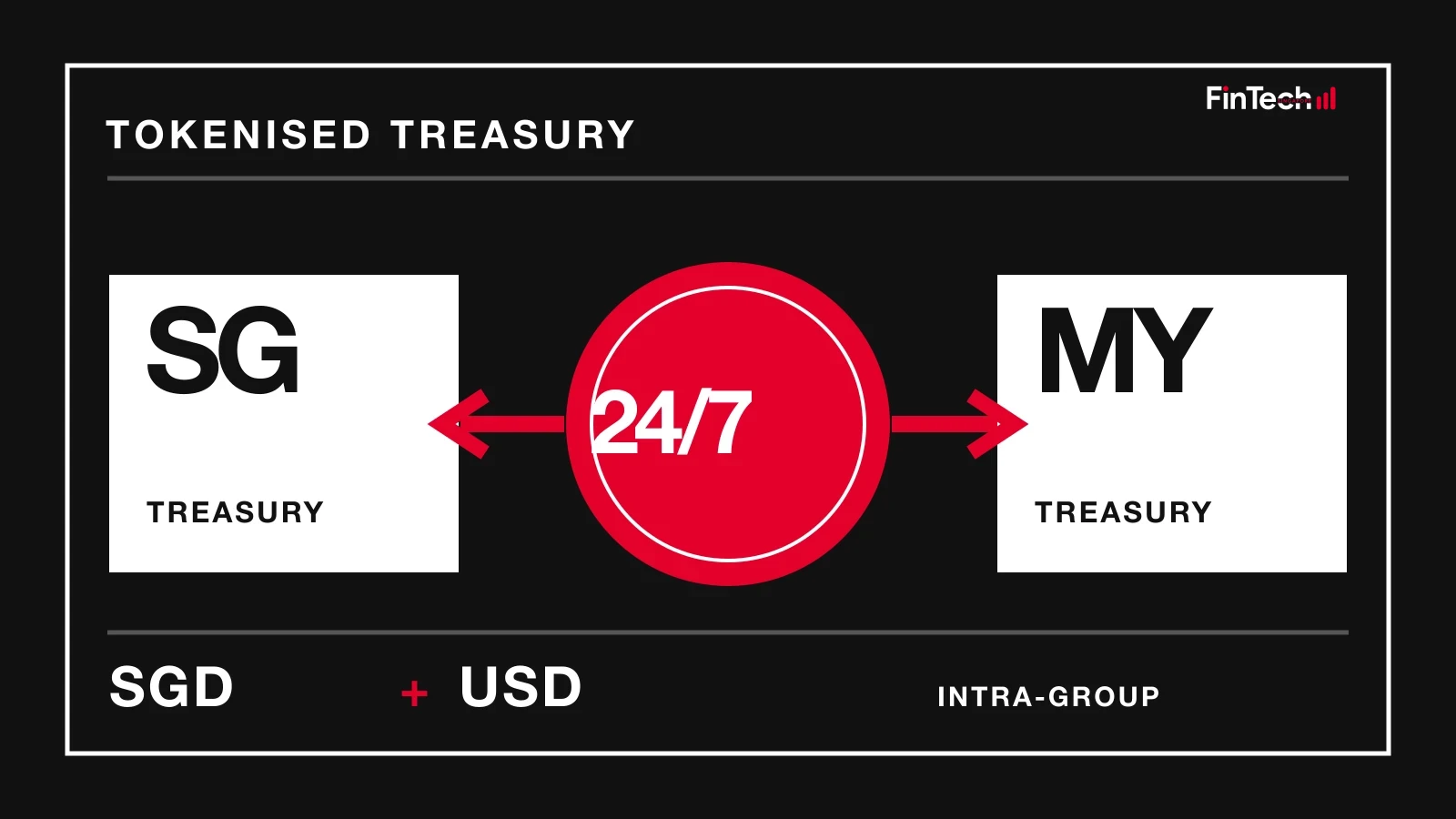
M-DAQ intends to use the infrastructure for its own treasury as well. It says the same technology could help it move funds between group entities and manage working capital.
What Singapore clients can verify today
M-DAQ already offers foreign exchange and cross-border payments through its group, including Wallex. The MAS directory entry for M-DAQ Payment Solutions lists account issuance, domestic and cross-border transfers, and e-money issuance under its Major Payment Institution licence. The announcement names the group and Circle Internet Financial. It does not specify which entity would contract with Singapore customers for the planned service.
The company is exploring another route as well. On 25 November, OSL said it would explore a collaboration with M-DAQ covering foreign exchange, payments and stablecoin conversion. That announcement is separate from the Circle partnership and gives no date for customer access.
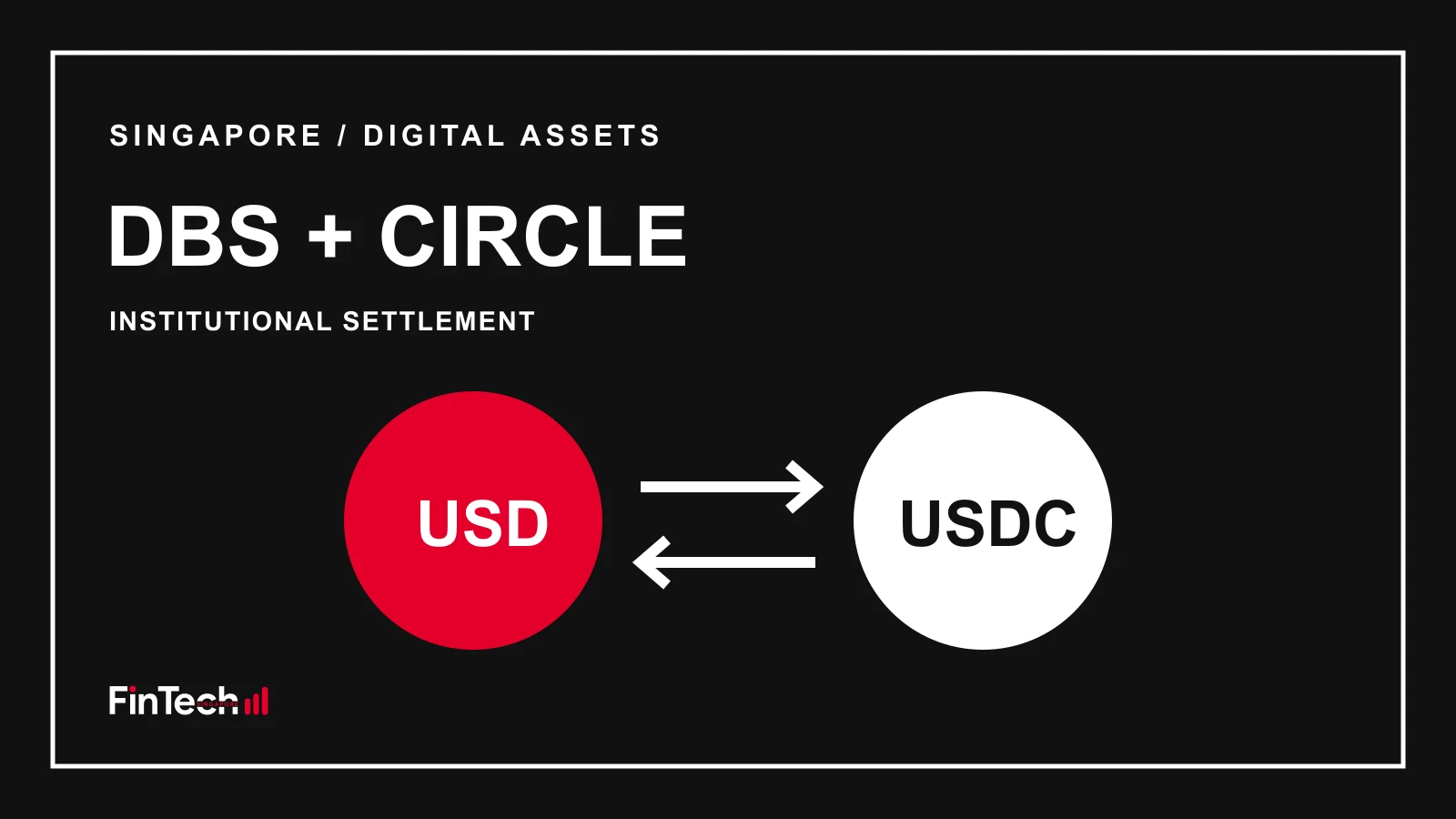
DBS’s separate arrangement with Circle describes institutional minting and redemption through a bank. M-DAQ’s announcement focuses on connecting conversions to its existing cross-border payment services.
Compare the quoted payout with the amount received
Once the service is available, an institution could compare it with its regular payment route by asking for a quote from sender to beneficiary. The useful figures are the total amount debited, what reaches the beneficiary after conversion and fees, and when the recipient can use those funds. A shorter blockchain transfer is only one part of that journey.
A payments team would also need to know which entity handles the conversion and which handles the payout. Published eligibility, currency pairs, reconciliation details and delivery times would let clients decide whether the integration improves an existing route.