Start with outstanding commitments
A company moving away from cheques needs more than a new button in internet banking. It needs to know which payments are still promised by cheque, when suppliers expect funds and who may authorise the replacement.
The Association of Banks in Singapore’s timetable states that banks stop processing SGD corporate cheques from 1 January 2027. Banks already ceased issuing new SGD corporate cheque books in January 2026, together with bulk and self-printing cheque services. The change leaves cashier’s orders, retail cheques and cheques in US dollars available.
Accounts teams should review outstanding and post-dated corporate cheques with their bank before the cutoff, rather than assuming a cheque written earlier will remain usable indefinitely.
Choose the right timing for the funds
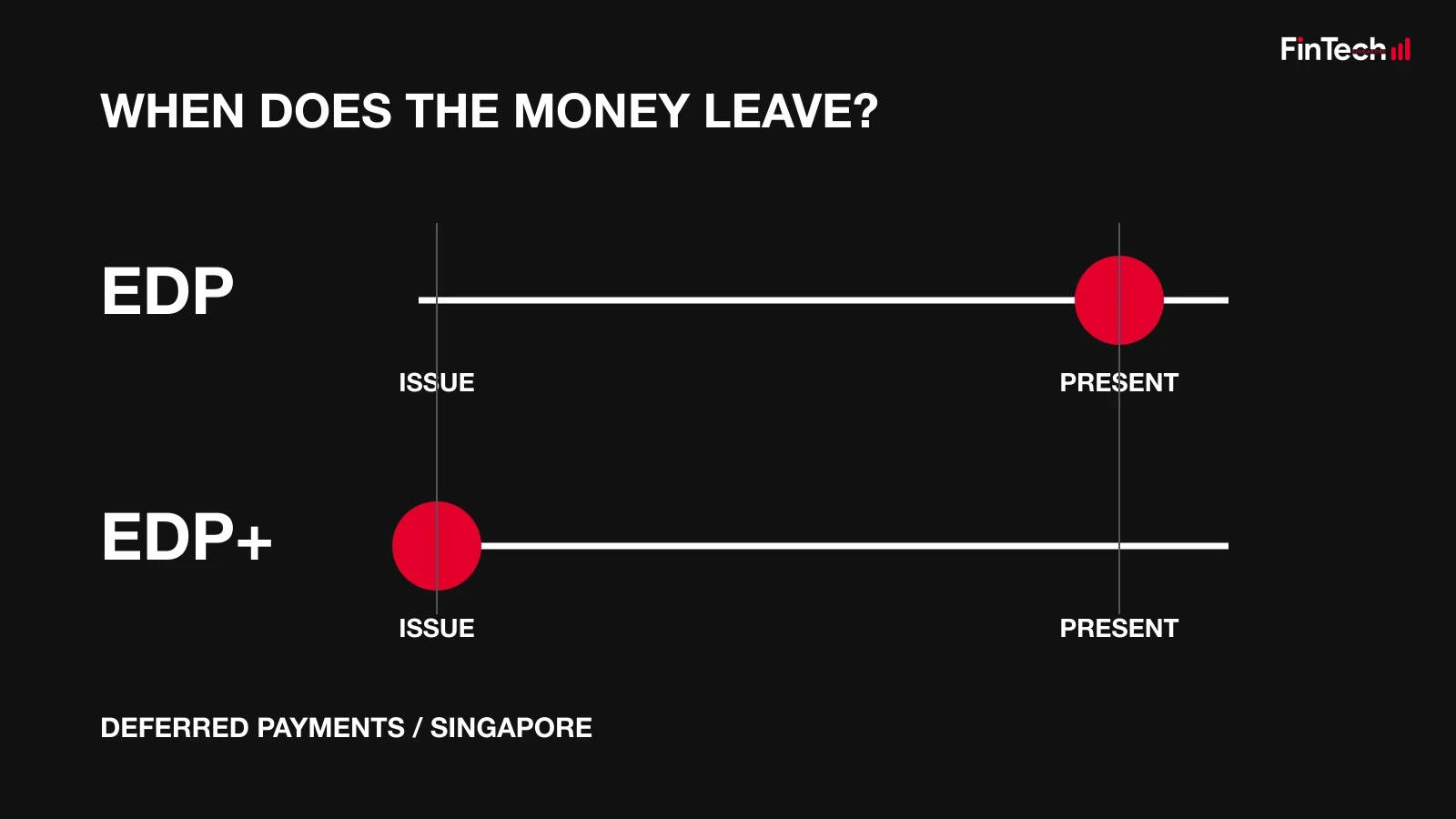
Electronic Deferred Payment, or EDP, and EDP+ were introduced in July 2025 as digital alternatives for deferred payments. ABS explains that EDP debits the payer when the payee presents the payment, while EDP+ debits the payer when it is issued.
That difference changes cash planning. With EDP, the business needs sufficient funds when the payment is presented. With EDP+, it must be ready to part with the money at issuance. Neither choice should be made solely because its name resembles the cheque process being replaced.
For a hypothetical business reserving cash for a supplier payment, earlier deduction changes the available balance even if the commercial due date has not changed. The accounts team should model that timing before switching a large batch.
Agree the process with counterparties
ABS lists EDP services through seven participating banks: DBS, OCBC, UOB, Citibank Singapore, HSBC, Maybank and Standard Chartered. Check the current service details with your own bank, including fees, expiry, cancellation and payee requirements.
Send suppliers a clear operational notice using your established contact channel. Confirm the invoice reference they should expect and independently verify any changed payment details. A migration project creates opportunities for genuine confusion as well as fraudulent change-of-account requests.
Give one person responsibility for reconciling old cheque commitments against replacement payments. That prevents a well-intentioned team from paying the same obligation twice.
Run a small test before the final switch
Choose a low-value, agreed payment and confirm the full journey with the counterparty. Check the approval steps, notification, account debit and reconciliation record. Document how to handle a rejected, cancelled or unpresented item.
Not every cheque payment needs a deferred replacement. An immediate payment may be better served by an existing transfer method, while a recurring collection has different requirements again. The purpose is to preserve the commercial arrangement using an appropriate digital method.
Keep invoice modernisation separate from payment migration. The InvoiceNow requirement concerns invoice information; it does not itself discharge the amount owed.