A roadmap for everyday payments
Singapore's next set of PayNow upgrades aims to make QR payments work across more participating apps and simplify online checkout. The plans will be introduced progressively over 2027 and 2028; they do not mean every payment app already works with every QR code today.
The Monetary Authority of Singapore (MAS) and the Association of Banks in Singapore (ABS) published the Phase 2 implementation roadmap on 18 November, following their earlier study of gaps in the instant-payment system. The roadmap also covers merchant dispute rules, richer payment information and selected higher-value government payments.
One QR, more payment networks
Under the proposed SGQR+ switch, MAS says Singapore residents and tourists should be able to use their preferred payment app at participating merchants without checking a separate list of accepted QR schemes. Work on the switch has begun, with a limited rollout planned in 2027 and wider scope in 2028.
The practical goal is to connect participating payment networks behind a merchant's QR code. The roadmap does not make every existing app and merchant compatible immediately. Shoppers should continue checking the payment options shown at the counter until their app and the merchant's arrangement support the new system.
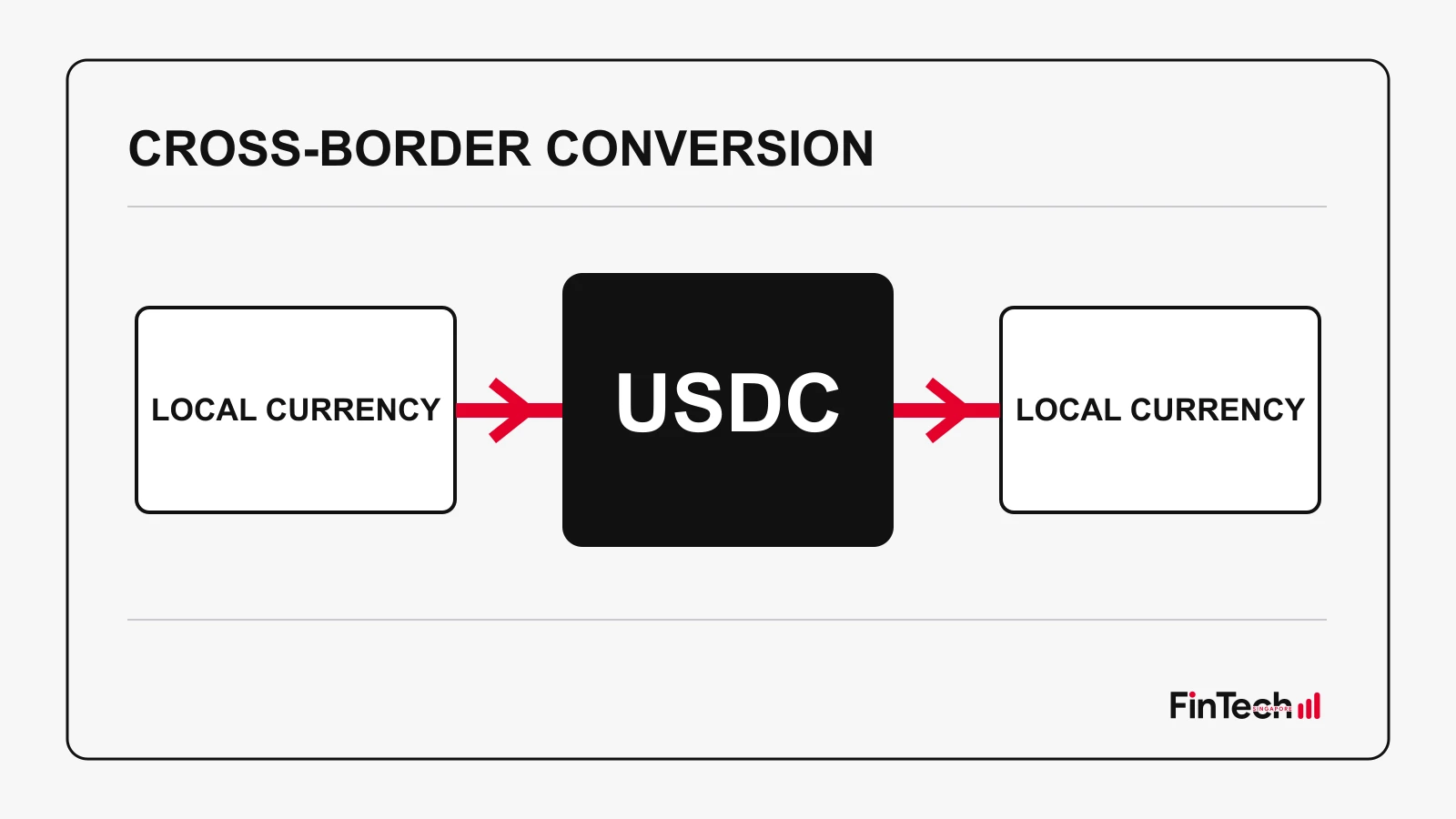
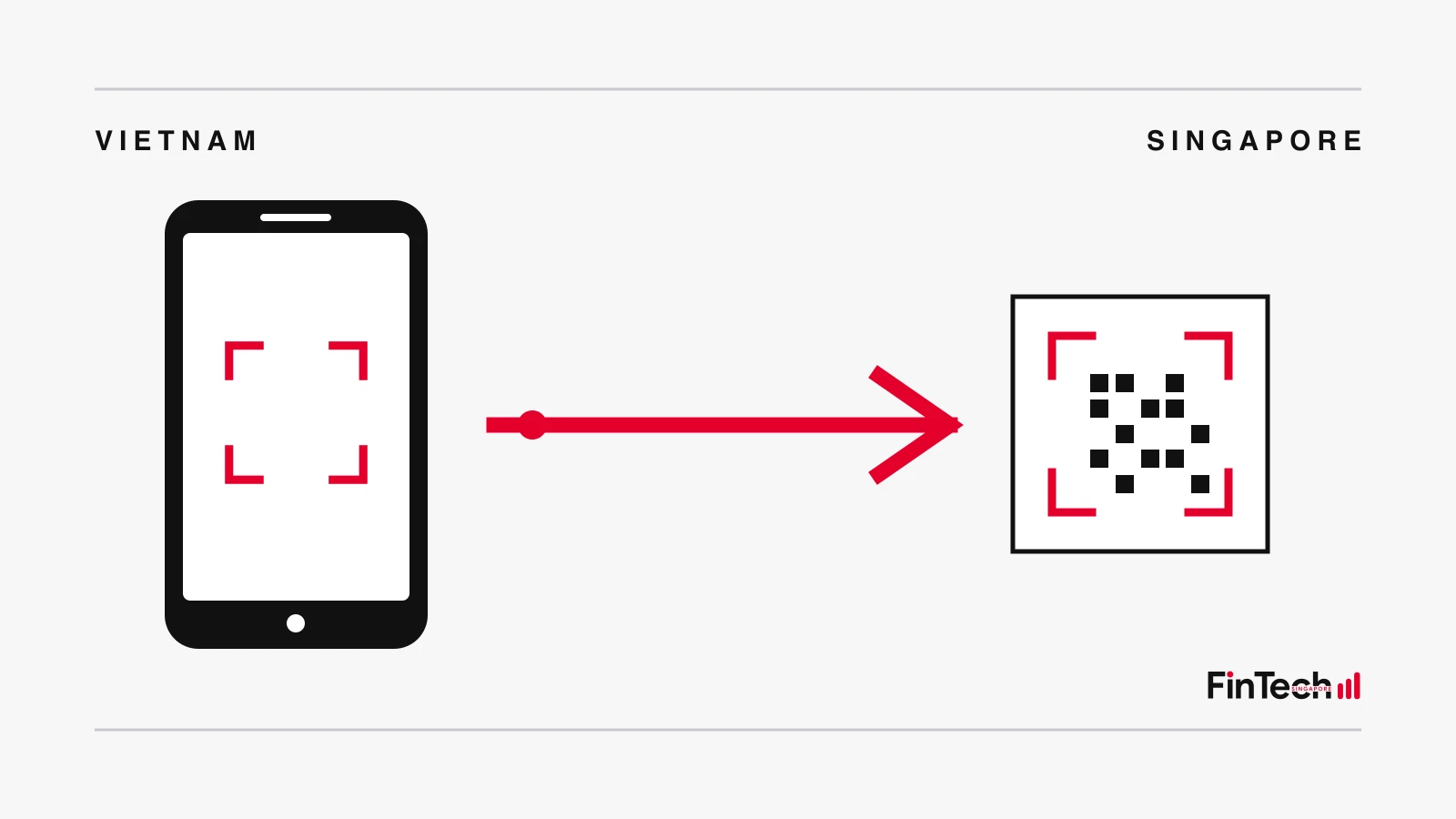
MAS also plans to connect SGQR+ to more regional QR networks, so more Singapore merchants can receive payments through foreign networks and Singapore users can pay in more countries through local apps. Coverage will depend on the networks and app providers participating as connections are added.
Online checkout without the screenshot shuffle
A second change concerns deep-linking: an online checkout can send a customer directly to a payment app instead of requiring them to save and retrieve a QR-code image on the same phone.
Some deep links already exist. MAS cites Lazada checkout through the OCBC app as a current example. The new plan is to develop common technical standards and a central facility by the end of 2027, followed by wider connections progressively during 2028. Availability will still depend on the checkout and the customer's payment provider.
Higher-value payments, refunds and business data
MAS says higher PayNow limits will first support a limited rollout with one government agency in late 2027, with a targeted expansion to other agencies from 2028. The announcement does not set a universal new personal transfer limit.
The Singapore Payments Network (SPaN) will also develop clearer person-to-merchant rules for disputes, refunds, fraud and scams, with safeguards introduced in stages over 2028. Consumers should keep using their provider's current reporting and dispute channels until new rules take effect.
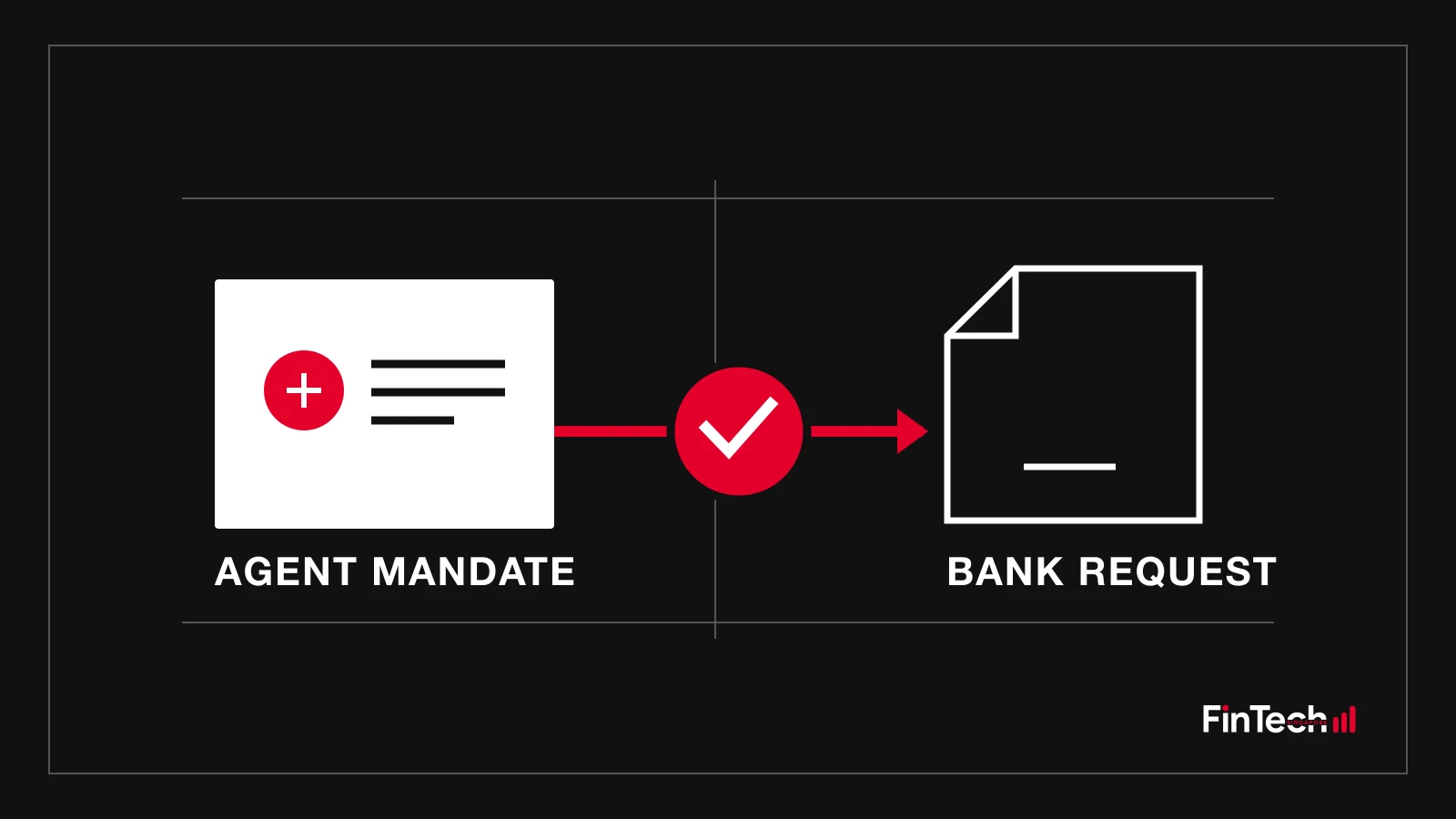
For businesses, the roadmap targets richer structured payment fields from the end of 2027. Information such as invoice references and payment purposes could help automate matching incoming payments to records; services using the extra data could begin from 2028. MAS and industry will also validate ideas for high-volume and very small, frequent payments, including possible future uses involving AI agents.
What to watch
Fintech.com.sg's assessment is that the roadmap moves beyond the June study by attaching a sequence to specific changes. A common QR switch and simpler checkout could reduce friction for customers and small merchants, but the benefit depends on which networks, apps and merchants join and how the staged rollout performs.
For now, the dates are implementation targets, not a guarantee that every feature will reach every user at once. The clearest next milestones are the limited SGQR+ rollout and central deep-linking standards in 2027, followed by broader connections and merchant safeguards in 2028.