Where the stablecoin goes
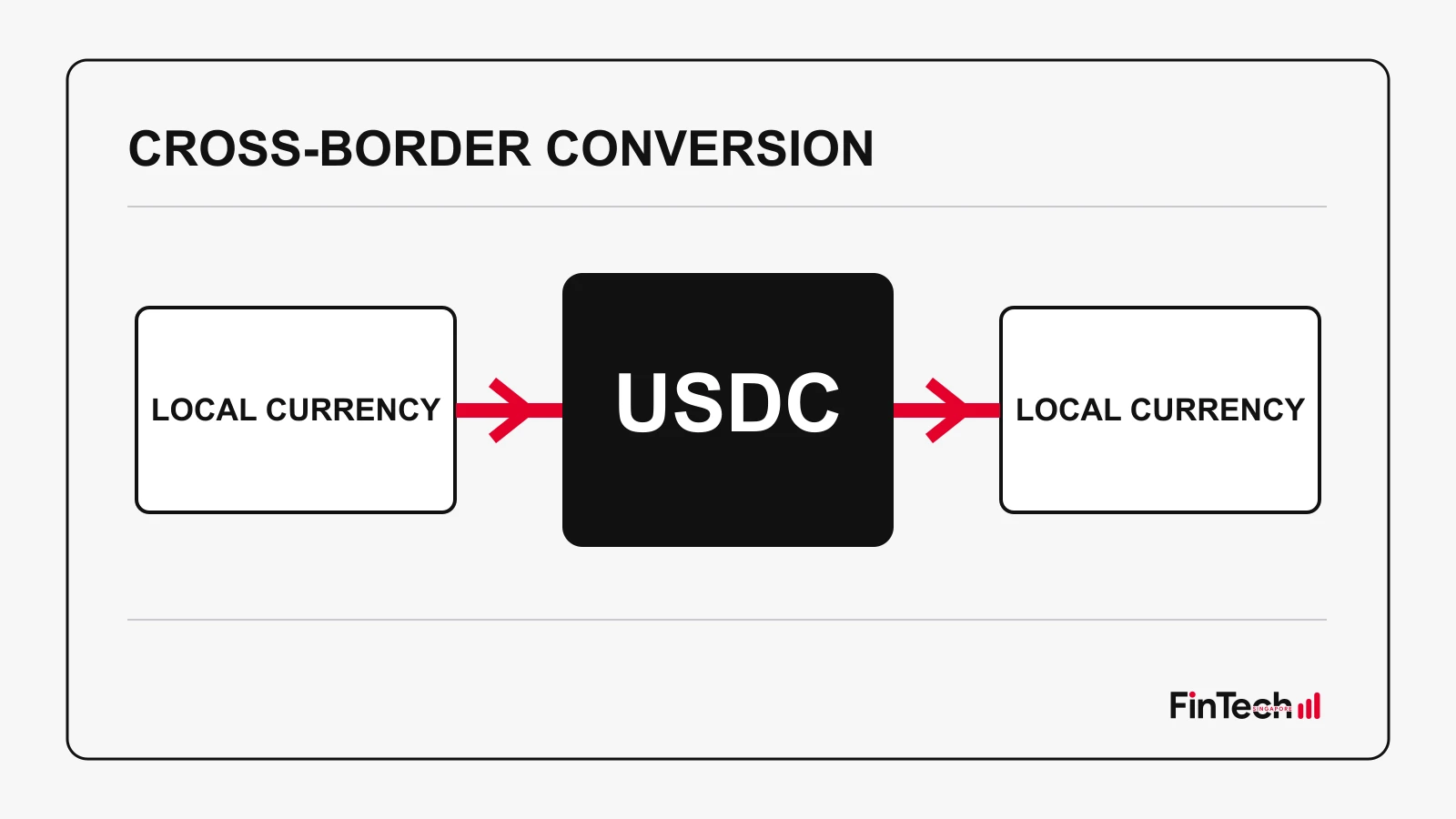
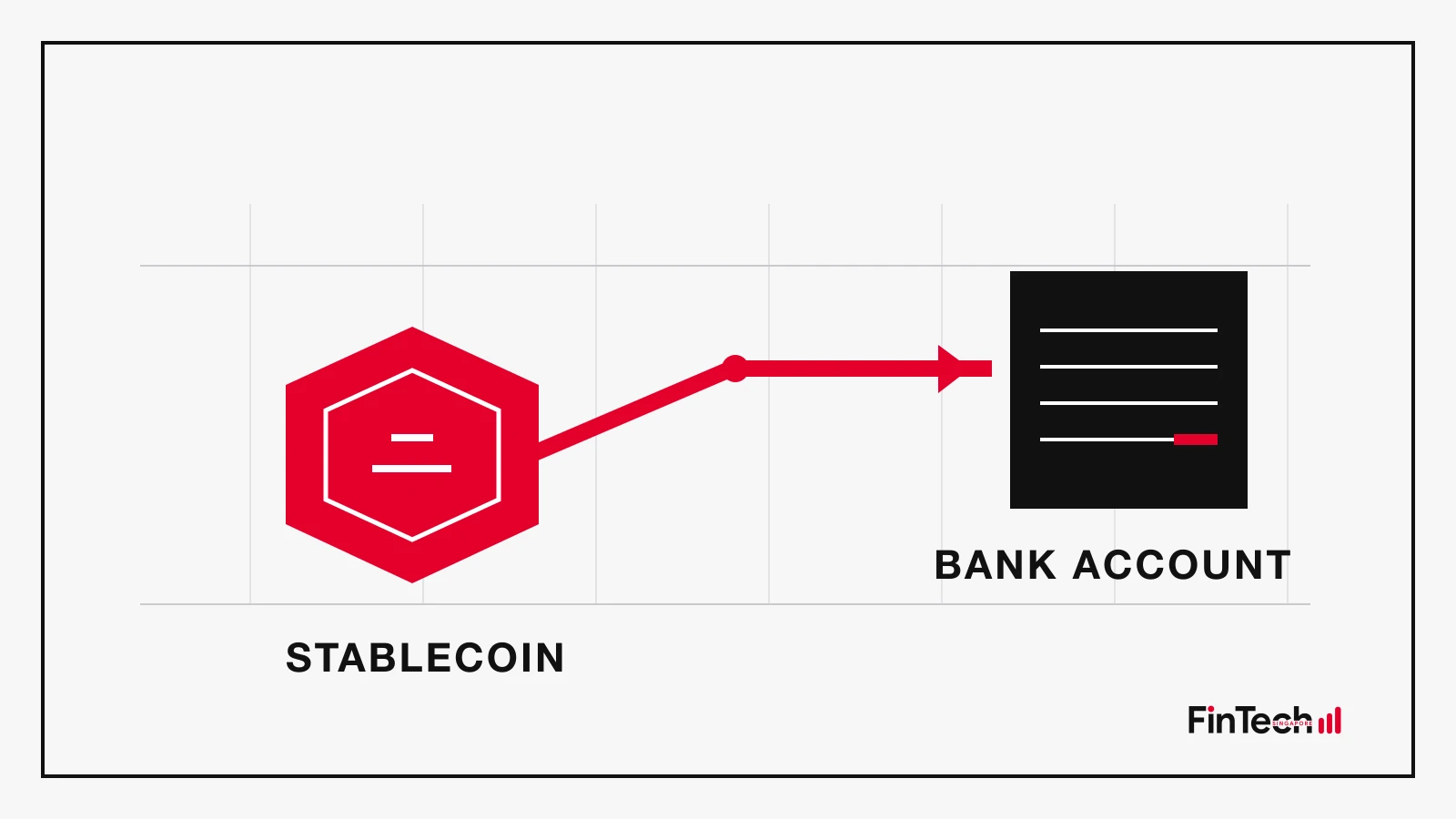
A business taking part in a new StraitsX and OCBC pilot can receive the proceeds of a cross-border stablecoin payment in its existing bank account. StraitsX announced the pilot on 23 November and named NTT DOCOMO ASIA as its first participant. The Monetary Authority of Singapore’s list of BLOOM industry use cases confirms that the bank account receives conventional currency.
A payer sends stablecoins to a dedicated address provided by StraitsX. That address lets StraitsX associate the incoming funds with the intended business and reconcile the payment before it reaches the recipient’s banking account. OCBC provides the banking connection. The receiving business can continue using its usual account while the providers handle the stablecoin leg.
What the pilot can tell a finance team
An incoming payment has to reach the right account and be identifiable in the business’s records. The dedicated wallet address helps with the first step by identifying the business. For a finance team collecting multiple invoices, a separate question is how readily each bank credit can be matched to the invoice that prompted it. The announcement describes how the recipient is identified and leaves the details of invoice references and bank reporting open.
StraitsX also left the supported corridors, currencies, fees and bank-credit times unspecified. Those details determine whether this route would help a business collect from a particular customer or get access to the funds sooner. For now, the named participant and selected flows define the scope of the pilot.
How it differs from the tokenised deposit trial
StraitsX, OCBC and Standard Chartered announced a separate proof of concept on 19 November that tested how two banks’ tokenised deposits could settle across their respective networks. That test involved deposits issued by the banks. The latest pilot uses stablecoins to carry the cross-border payment and delivers regular bank funds to a business.