What the institute has announced
Singapore’s Future of Finance Institute has begun operations with artificial intelligence as its first area of work. The Monetary Authority of Singapore says the public-private institute will bring financial institutions, technology companies and researchers together to share experience and develop practical approaches to using AI in finance.
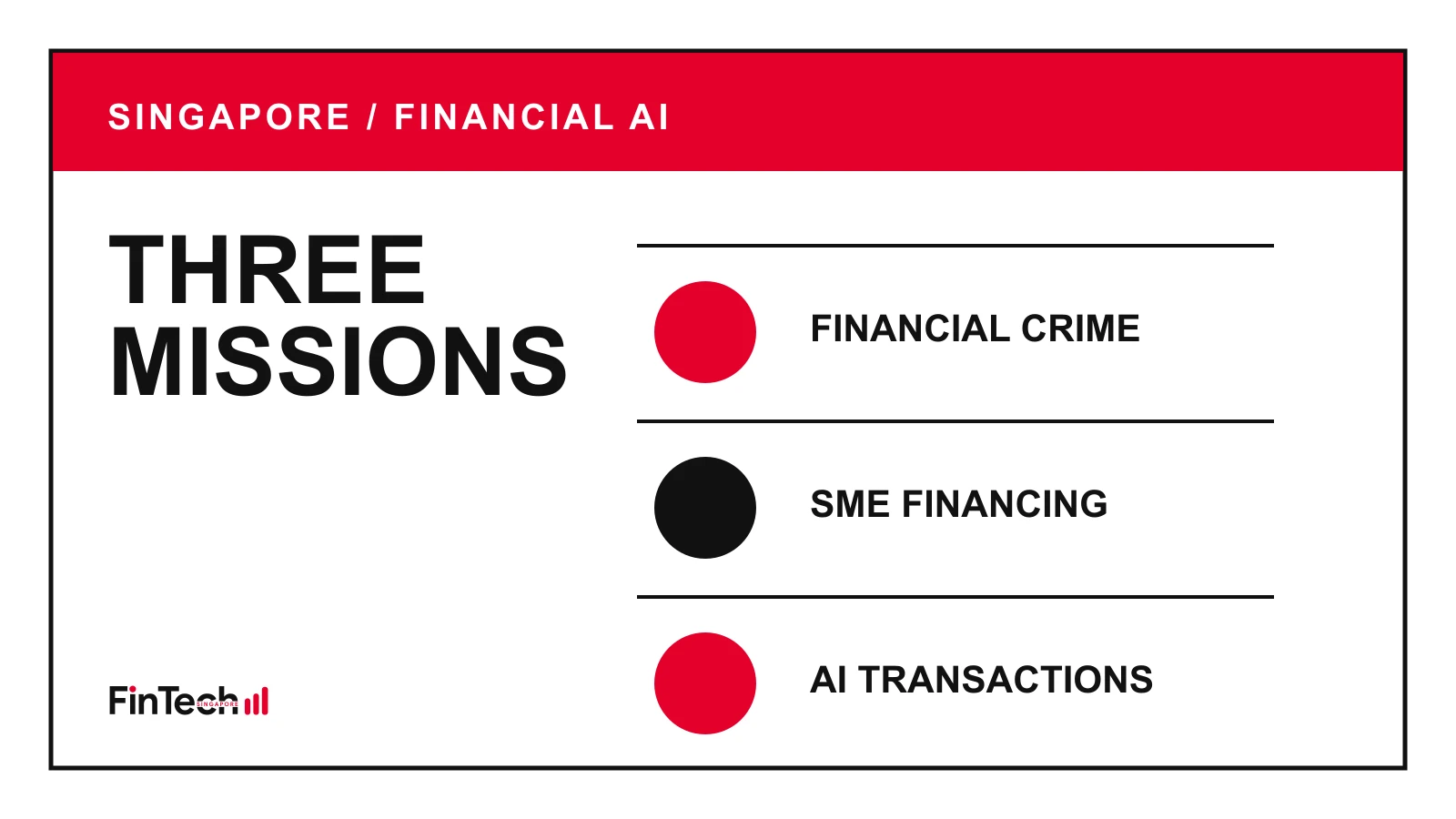
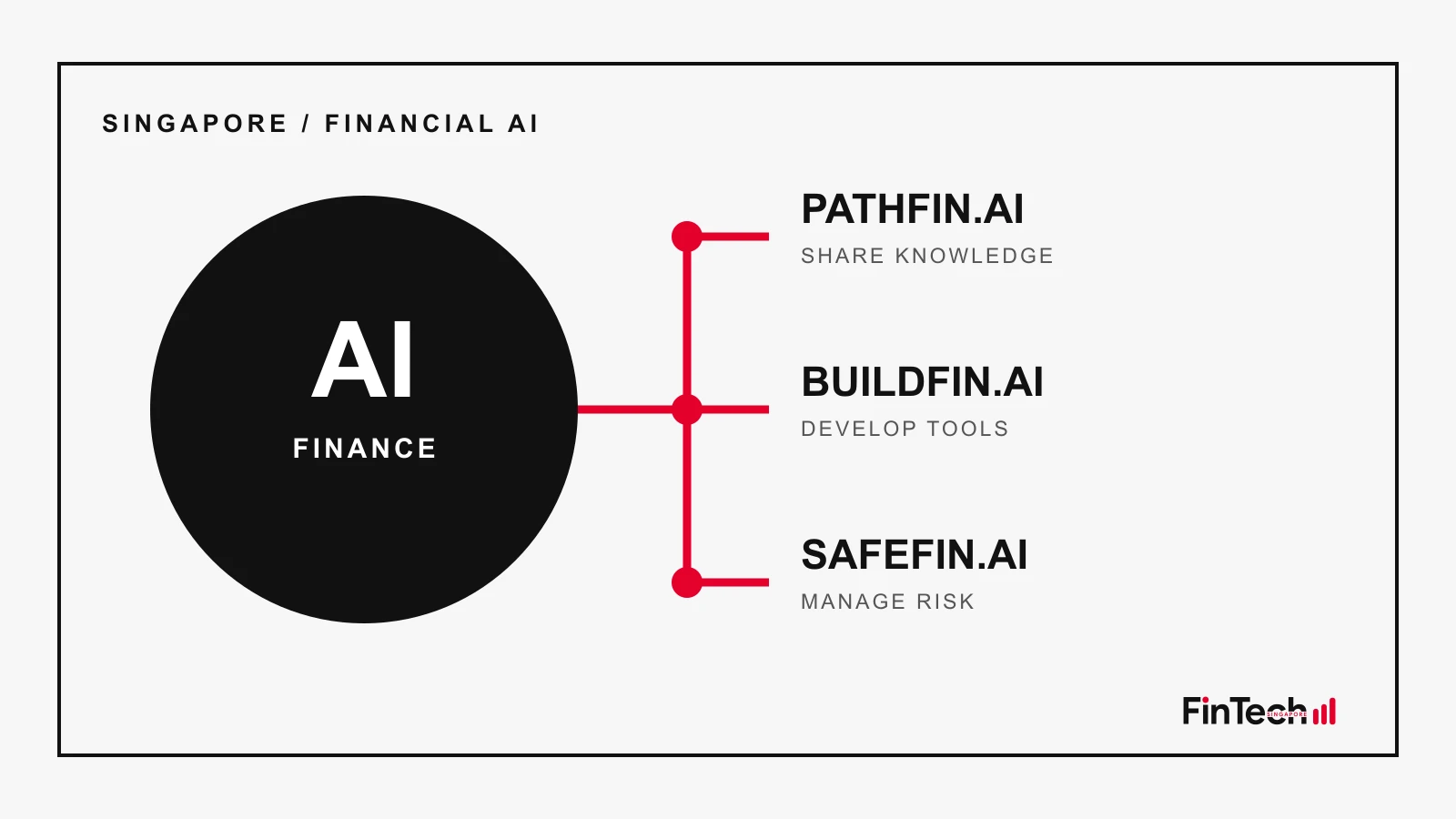
The institute was announced in June. In its 3 November update, MAS described three areas of AI work: sharing knowledge, building capabilities and managing risk. It said the institute would expand progressively into other financial innovations, including tokenisation.
For a bank, insurer or fintech deciding how to deploy AI, the distinction matters. One programme is intended to help firms find and discuss solutions; another will work on deployment practices and infrastructure; and the third will focus on assessing and managing risks.
Finding and sharing practical experience
Under PathFin.ai, the institute plans a Knowledge Hub building on the existing programme. MAS says it will broaden the range of solutions available to financial institutions, support the validation of their practical usefulness and improve matching with institutions’ needs.
The institute also plans Communities of Practice for people working across banking, insurance, capital markets, financial advice and payments. Exchanges, webinars and learning journeys are intended to help participants discuss common adoption challenges and practical responses.
MAS described these as plans. Its announcement does not give a launch date for the hub or list the solutions that will be available through it.
Building and governing AI tools
BuildFin.ai will bring together financial institutions, technology companies and researchers to develop guidance, good practices, industry standards, and common tools and infrastructure for AI deployment. MAS says the work will pay particular attention to the safe use of AI agents in financial services, building on the SAFR agentic finance framework.
An AI agent can carry out a sequence of actions towards a task, rather than only answer a question. In financial services, a practical question is how an institution decides what the system may do, checks its output and controls risks. The institute’s planned work may help firms develop common approaches, but the announcement does not itself publish the future tools or standards.
SafeFin.ai will bring institutions together to develop practical resources and good practices for implementing MAS’s Guidelines on AI Risk Management. It will also enhance the existing MindForge AI Risk Management Toolkit, including work on use-case risk assessments, testing and assurance, and third-party AI. MAS said further details would follow.
What happens next
Alan Lim, who heads MAS’s Financial Infrastructure and AI Office, has been appointed the institute’s interim chief executive while retaining his MAS role. He will lead its strategy and operations as its programmes and partnerships develop, MAS says.
The announcement establishes a focus and a structure rather than a timetable for every output. Financial firms and providers can watch for participation details, the solutions included in the Knowledge Hub, and when guidance or updated risk tools become available.