What Visa has announced
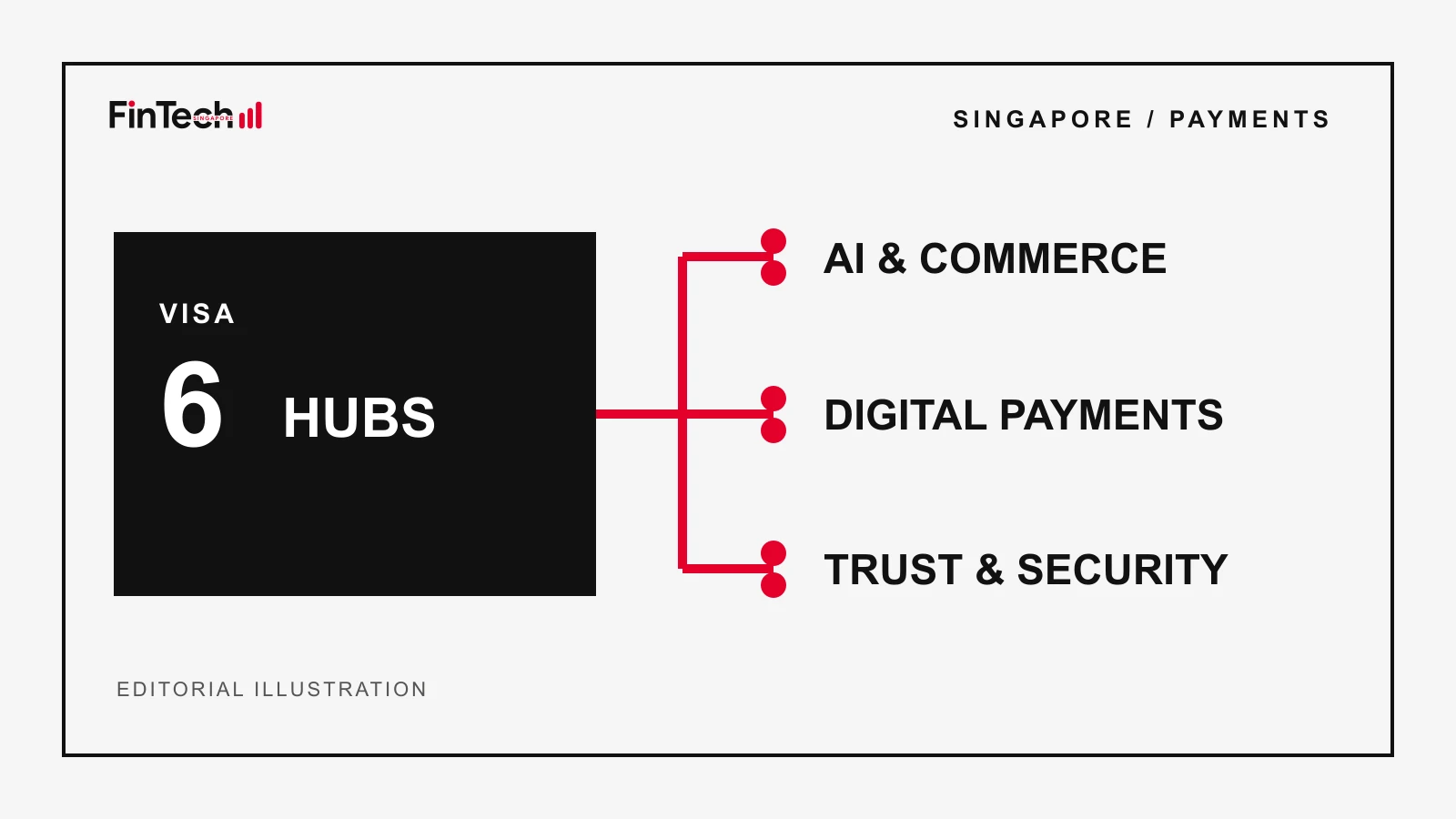
Visa has established six global capability hubs at its new Solution Center in Singapore, bringing together work on artificial intelligence, digital money, payment methods and security. The company says the teams will develop technologies intended for use across its global network.
The centre at Paya Lebar Green brings together more than 1,500 people working across technology, product, cybersecurity, engineering and innovation, Visa said on 5 November. The announcement does not say that all of those roles are newly created.
For Singapore fintechs and financial institutions, the announcement identifies where Visa plans to develop and test future payment capabilities. It does not mean that each area has produced a service that merchants or consumers can use today.
From AI agents to digital money
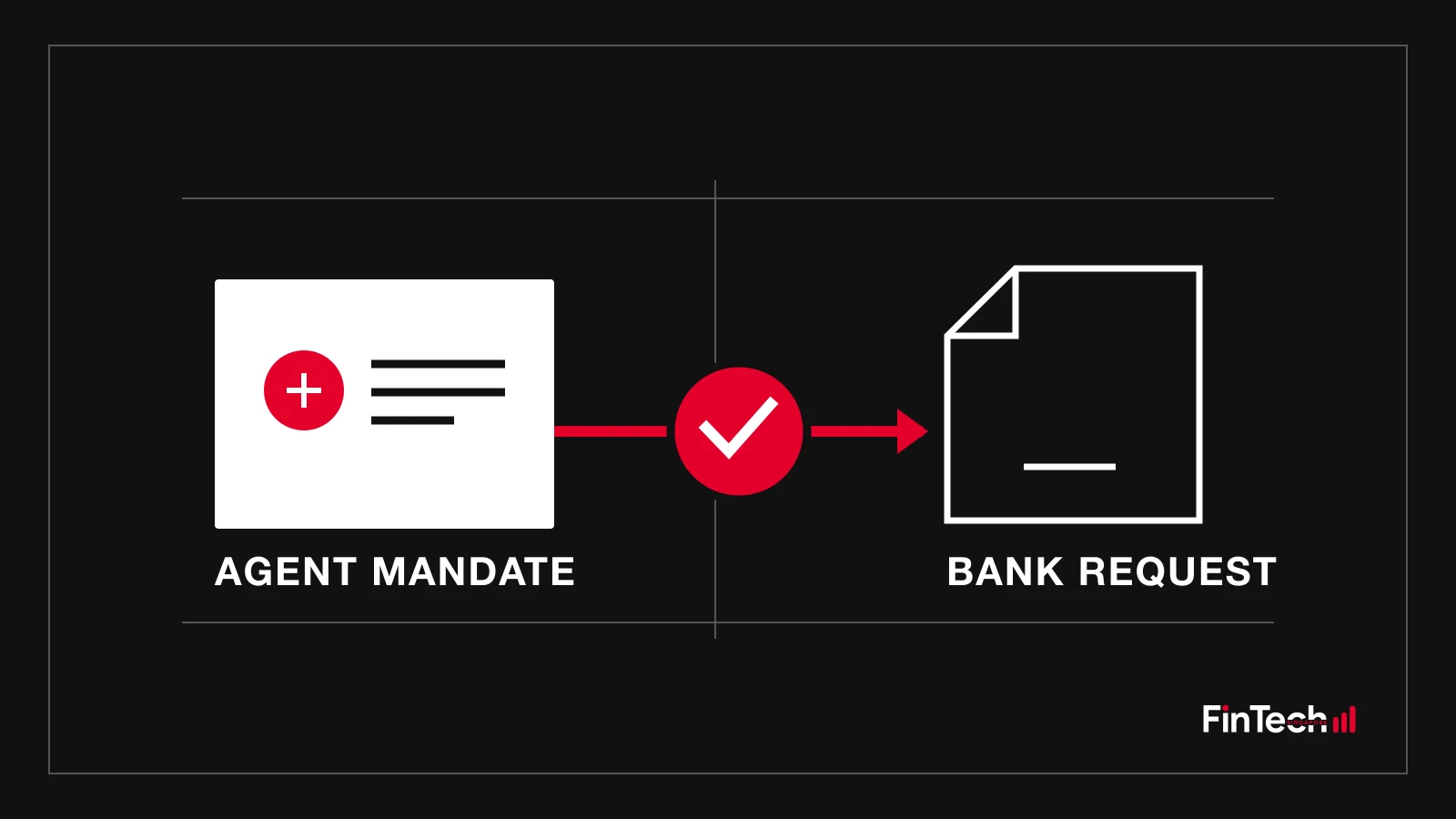
Two of the hubs focus on artificial intelligence. One will work on applied AI for payments and fintech use cases; another will explore how AI agents could interact securely with merchants, consumers and payment networks.
An AI agent can carry out steps towards a task, which raises practical questions about who authorises a payment, what limits apply and how an unexpected action is detected. Visa's announcement describes the areas of work but does not provide launch dates or the operating rules for a new agentic payment product.
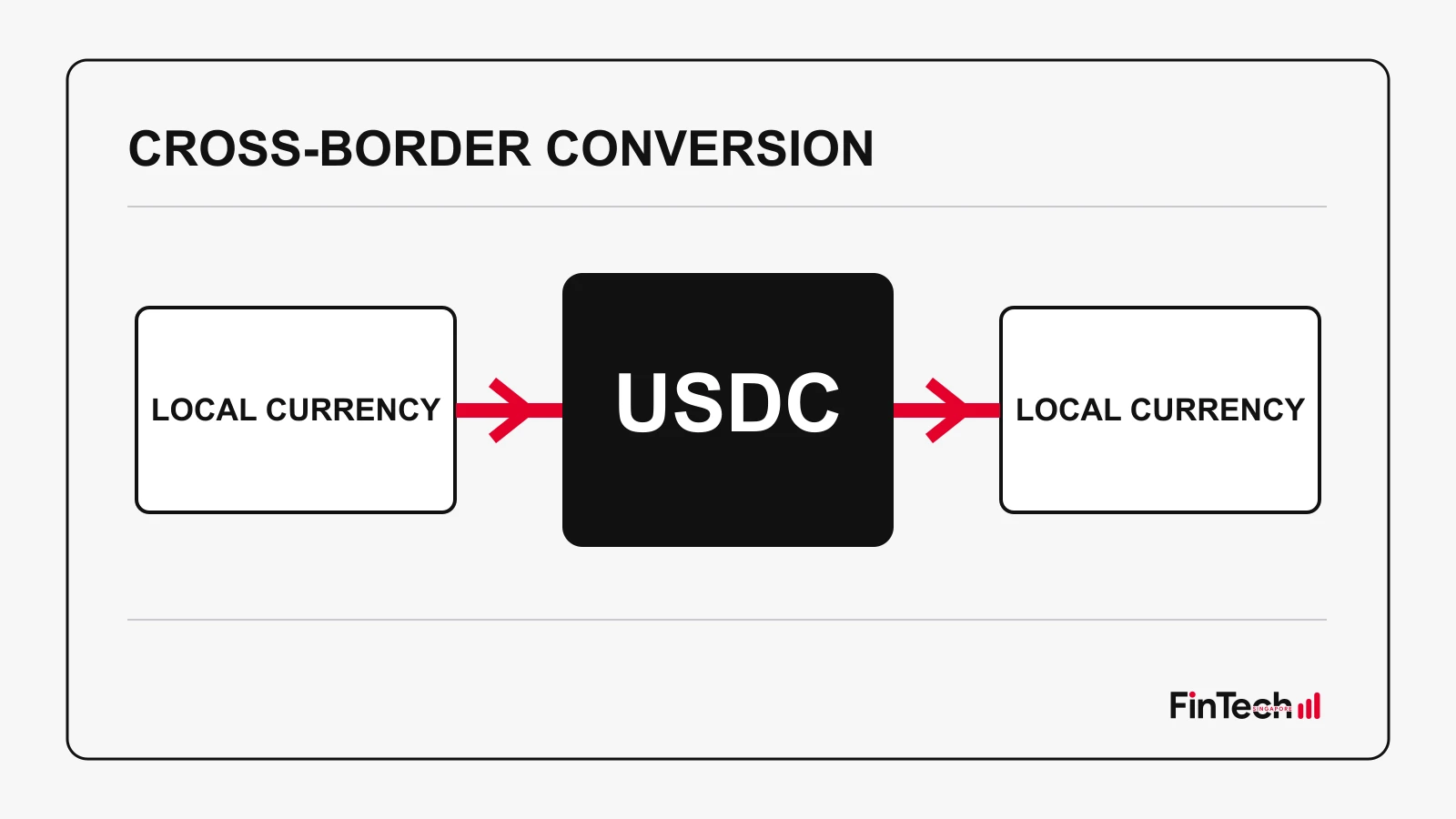
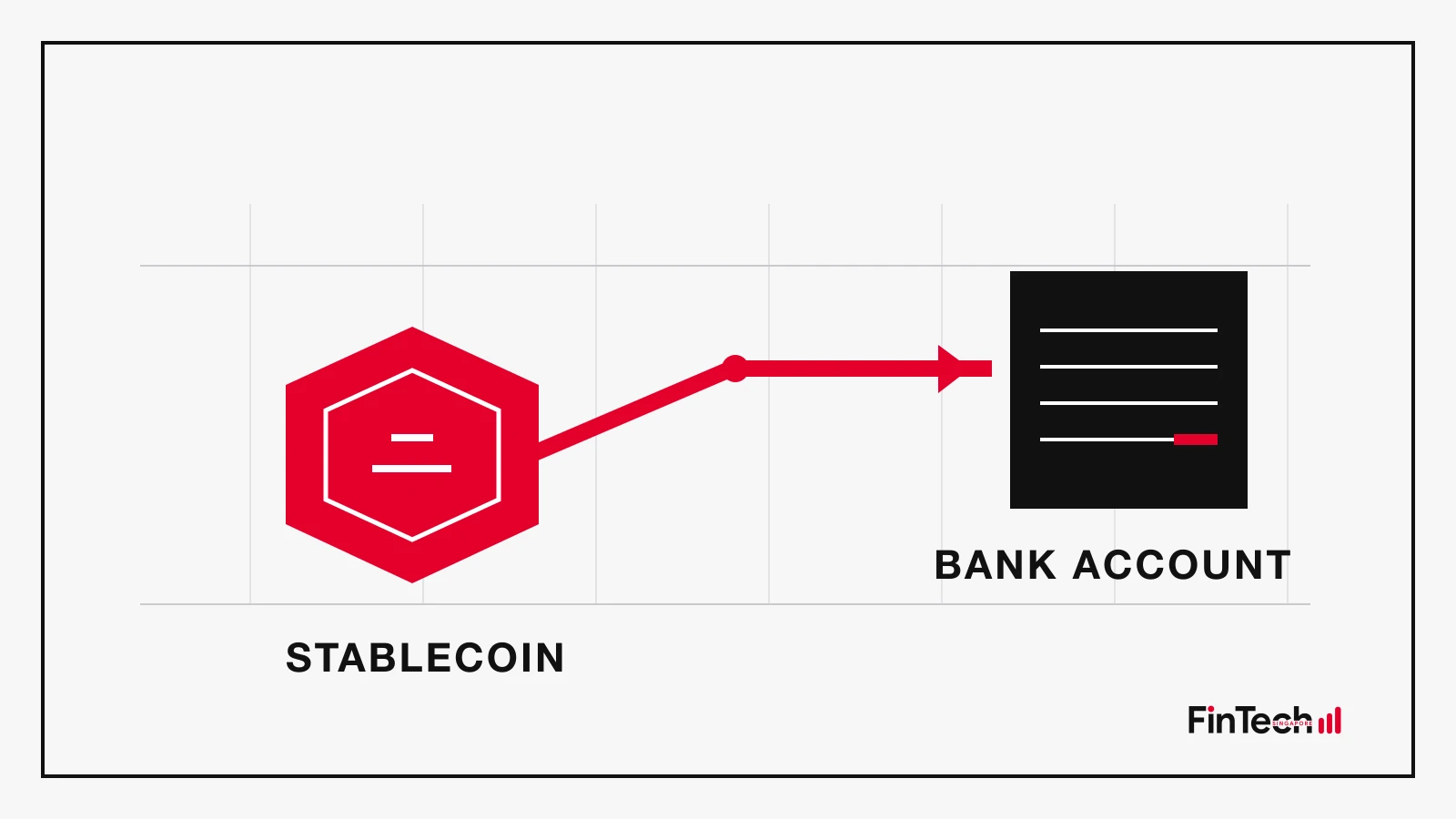
Two more hubs will look at next-generation payments: one will research digital money, stablecoins and programmable payments, while another will work on wallets and alternative payment methods across different networks. Research in these areas should not be read as confirmation that a particular stablecoin or wallet has been launched in Singapore.
Visa is already involved in a separate Singapore-linked initiative with Nium under BLOOM to explore stablecoin settlement across weekends and public holidays. That pilot has its own scope and should not be treated as an outcome of the newly announced hubs.
Security and longer-term research
The remaining two hubs cover cybersecurity and quantum computing for finance. Visa says the latter will research potential financial-services applications and prepare for a future in which quantum technology changes some security assumptions. The company has not announced a timetable for a commercial quantum payment system.
The focus on security also sits alongside Visa’s earlier Singapore security roadmap, which identified priorities for tackling fraud, scams and cyber threats. The new centre gives Visa a location for broader technology work; whether and when individual projects become available to local banks, fintechs or merchants remains to be seen.