An operational route for SGD and rupiah
Singapore businesses trading with Indonesia have a new reason to review how they settle invoices. Bank Indonesia and the Monetary Authority of Singapore announced on 31 August that their local-currency transaction framework had become operational.
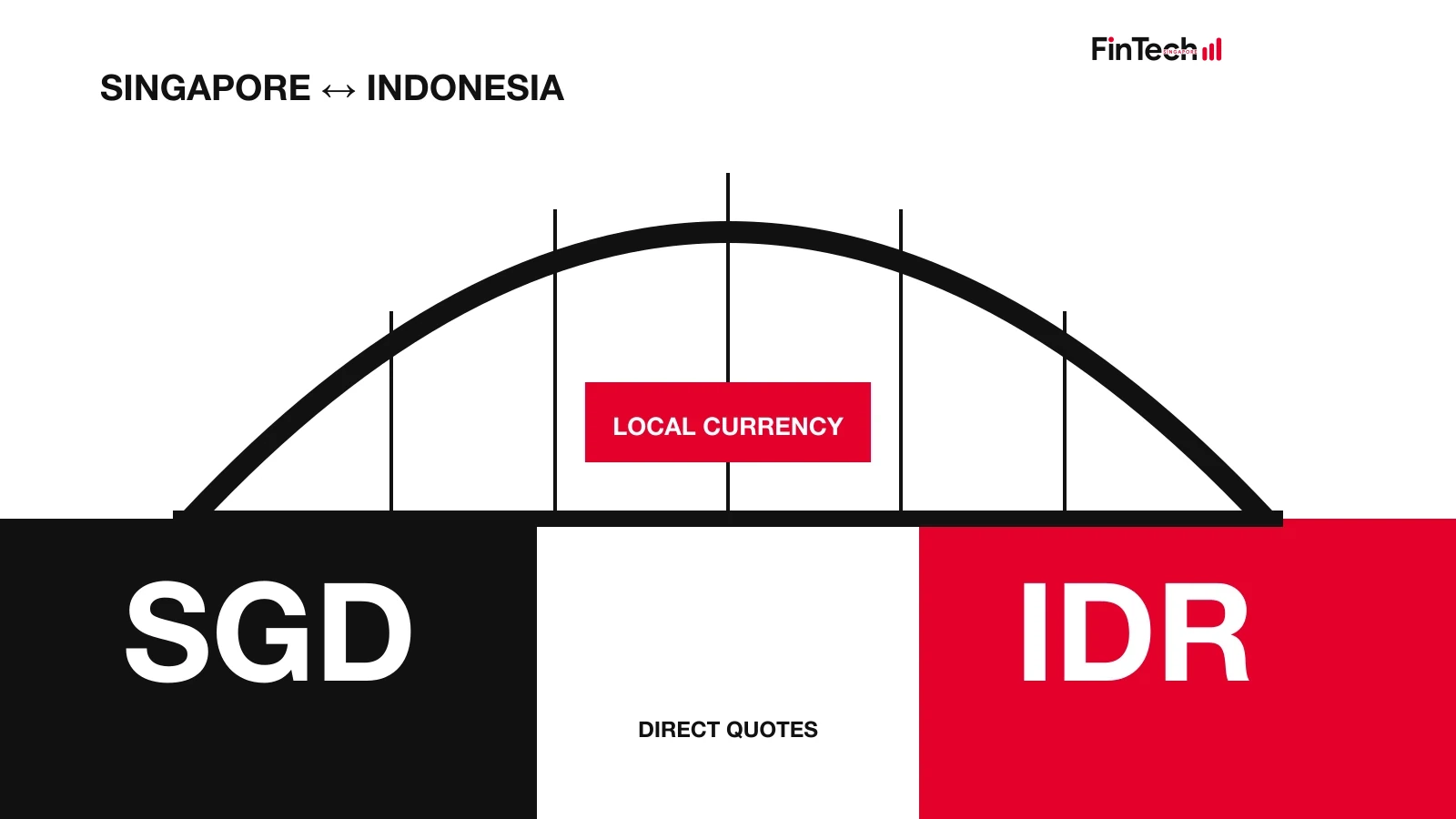
The joint central-bank announcement covers current-account transactions, direct investment and cross-border payments in SGD and IDR through Appointed Cross Currency Dealers. DBS, OCBC and UOB are the three appointed Singapore banks, working with nine appointed banks in Indonesia.
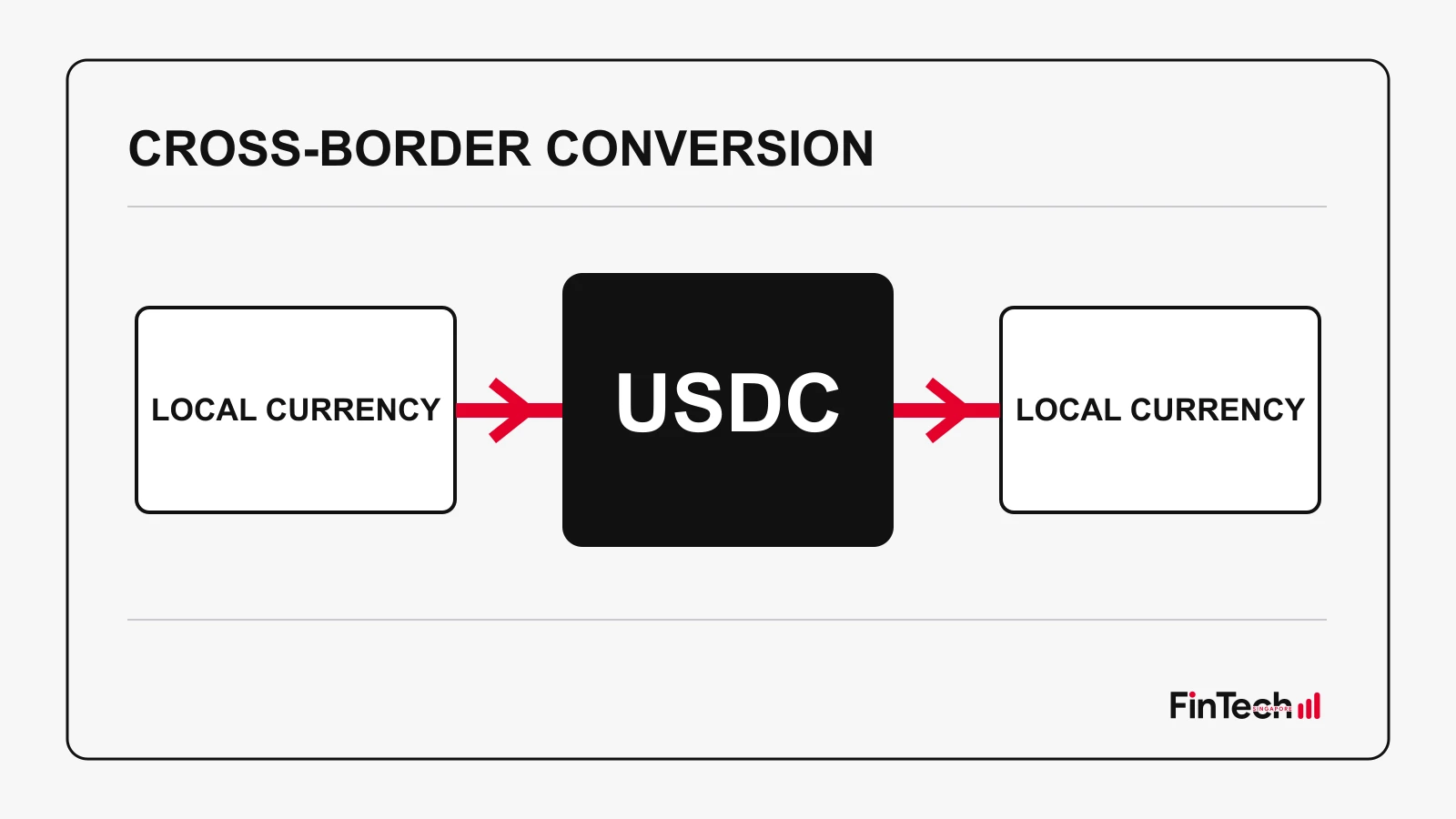
What a direct currency quote changes
The framework promotes direct SGD–IDR quotations. The central banks describe greater flexibility and lower exchange-rate risks and costs as intended benefits.
A direct quote gives a business a way to assess the local-currency pair without assuming that a third currency must be part of its commercial pricing. It does not, by itself, guarantee the cheapest transfer or remove currency risk between the date an invoice is agreed and the date it is paid.
For example, a Singapore importer with an IDR invoice still needs to know how many Singapore dollars the payment will cost. If the exchange rate moves before conversion, its SGD cost can change. The choice of payment route and the choice of when to manage that exposure are related but different decisions.
Compare complete quotations
A practical comparison should start with the same invoice amount and required receipt date. Ask the bank to identify the exchange rate, transfer charges, expected beneficiary amount and applicable processing times. Comparing only a published exchange rate can overlook charges elsewhere in the payment chain.
The business should also confirm the documentation needed for its transaction and whether its counterparty’s bank participates. A framework between central banks does not mean every account or transfer automatically qualifies.
Treasury teams can use a small, agreed transaction to test reconciliation before changing a recurring supplier-payment process. This is an implementation suggestion, not a requirement announced by the regulators.
Separate this from tourist QR payments
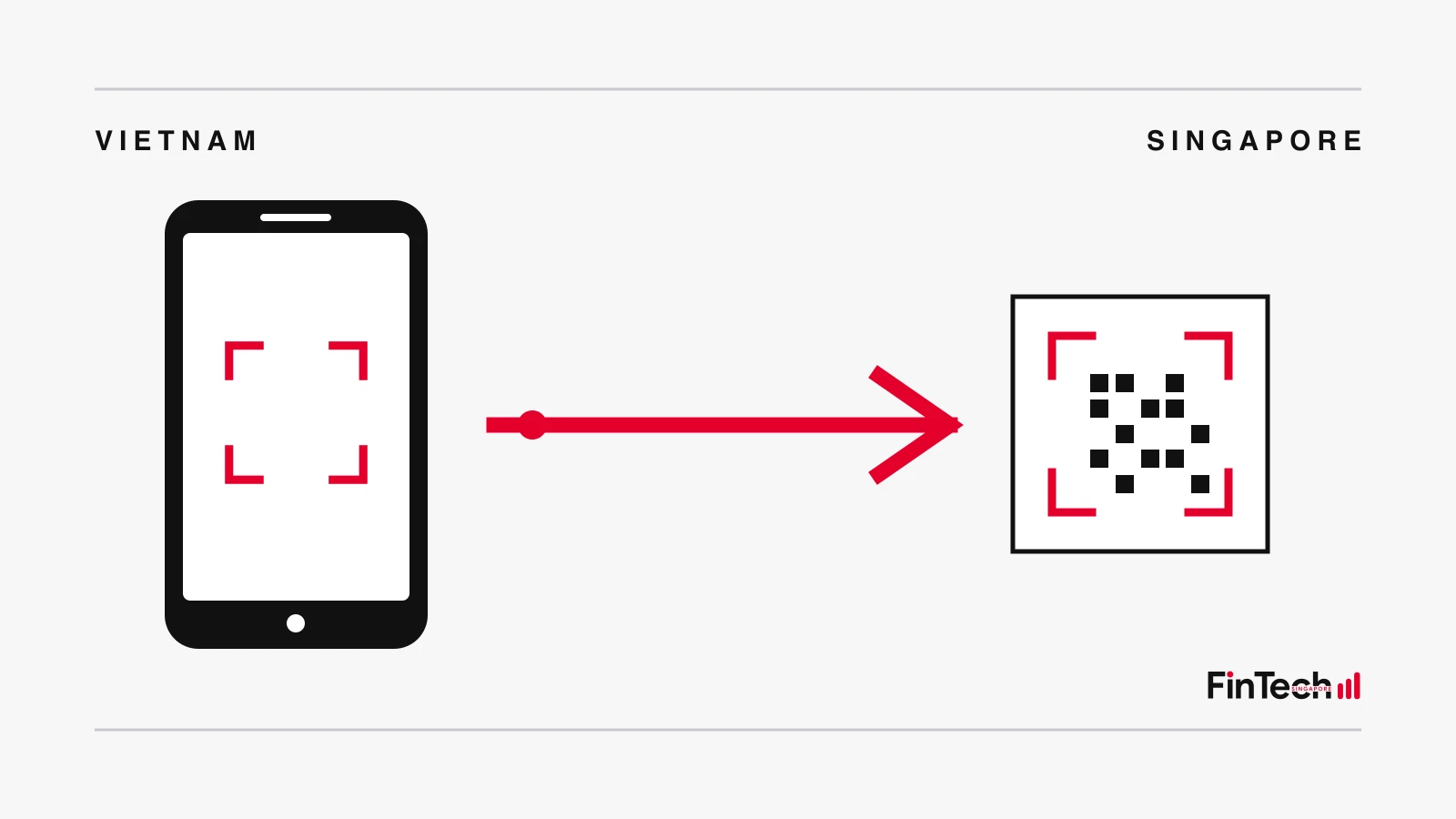
This development concerns a bilateral settlement framework and appointed banks. It should not be confused with a traveller scanning a merchant QR code or with a blockchain-based settlement experiment.
The announcement follows an August 2022 memorandum and operational guidelines agreed in April 2026. For an importer or exporter, the immediate next step is a bank-specific conversation: establish eligibility, request a comparable quote and agree the currency with the counterparty before changing the invoice.