A wider remit for an established relationship
DBS and Avaloq signed a memorandum of understanding on 25 September to extend their wealth management technology relationship across Asia. The Singapore-headquartered bank will explore broader use of Avaloq's platform across markets and business lines, alongside joint development and skills exchange.
The DBS announcement connects the work to its ambition to reach S$1 trillion in retail and wealth assets under management by 2030. Assets under management describe the assets overseen, rather than bank revenue or profit. The target is not an achieved result.
The firms' relationship spans 18 years. Potential work includes digital platforms, products and execution, as well as learning programmes and cross-functional exchanges. An MoU records the proposed collaboration; the announcement does not specify a completed deployment across every market or a launch date for a new customer product.
The adviser bottleneck behind the technology plans
Avaloq's 2026 wealth insights summary, published on 9 September, draws on 4,256 investors and 480 wealth professionals across 21 markets. Among the adviser barriers it reports, administrative workload and insufficient automation each register 54%.
The same summary says 84% of wealth professionals expect AI to become integral to their work within two years. That is a statement about respondents' expectations, not proof of deployment quality. The published aggregate findings should not be presented as a survey of Singapore customers alone.
A shared platform must keep the client record coherent
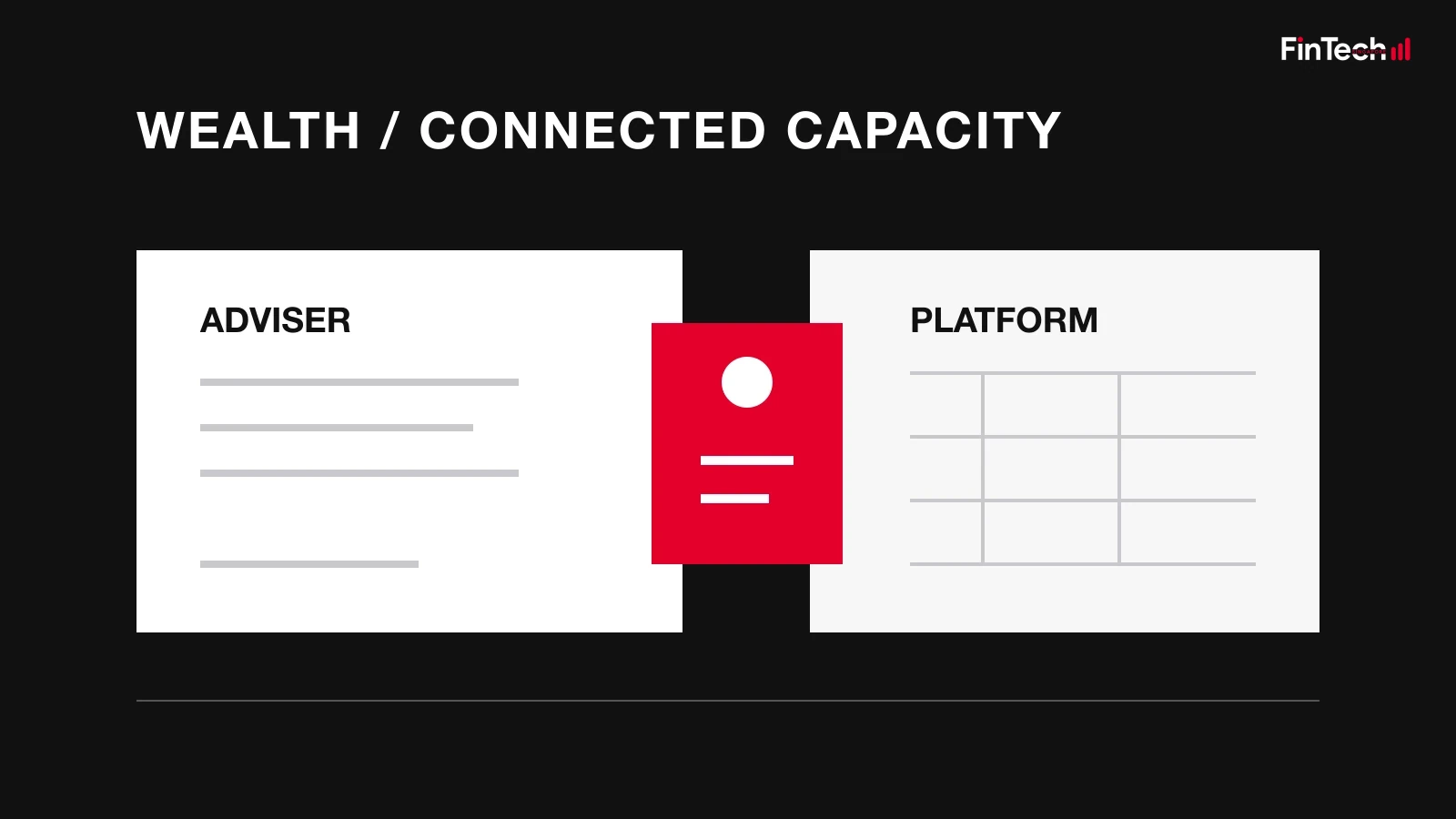
The operational question is whether an adviser can move from understanding a client's circumstances to implementing an agreed decision without repeatedly entering or reconciling the same information. A platform change can be useful if it makes records easier to check and reduces avoidable hand-offs.
That still requires clear permissions, reliable data and an audit trail. If a digital tool summarises a portfolio or drafts a recommendation, the adviser needs to be able to inspect the information behind it and correct an error before the client acts. This is Fintech.com.sg's assessment of the implementation challenge, rather than a description of a specific new DBS system.
What would demonstrate progress
Useful follow-up evidence would identify the markets and workflows brought onto the platform, the services available to customers and the effect on adviser workload. A measured reduction in administration would tell readers more about delivery than the partnership announcement by itself.
For customers, improved technology does not remove the need to understand fees, investment risk and who is responsible for advice. Readers comparing digital investment services can also consult our guide to robo-adviser fees, custody and risk. The DBS–Avaloq agreement concerns the infrastructure supporting wealth services; it does not promise an investment return.