From a card reward to an investment
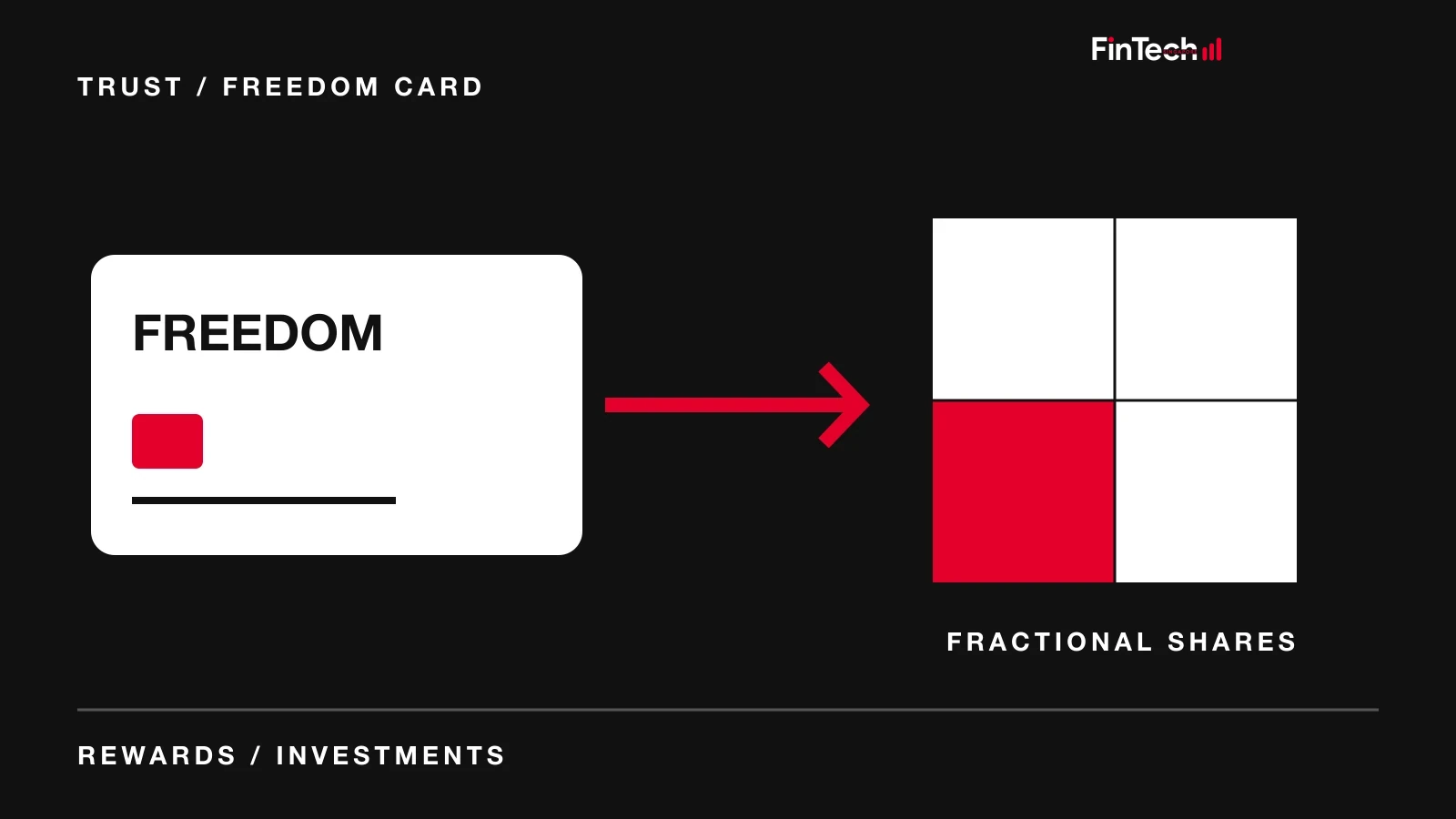
Trust announced its Freedom credit card with a stockback option on 13 August, giving Singapore customers a choice between cash rewards and rewards directed into investments.
The bank’s launch statement describes fractional US stocks and exchange-traded funds, with investment triggered once accumulated stockback reaches S$10. It said customers could select from 50 options at launch and switch their reward choice quarterly.
The development brings a spending product and an investment process into the same customer relationship. It does not turn the investment into a bank deposit or eliminate the possibility of losses.
The advertised rate has an end date
Trust’s current product page advertises 3% stockback on eligible local and foreign spending until 31 December 2026, capped at S$500 per quarter. From 1 January 2027, the stated rates change to 2% for eligible local spending and 0.5% for eligible foreign spending.
The page also lists no annual card fee, foreign transaction fee or commission for selling stocks. Those fee statements should not be confused with a promise that holding or selling an investment will produce a positive return.
These are the public product conditions checked on 20 September. A promotional headline without the cap and expiry date would give an incomplete picture of the offer.
What happens to small reward balances
The Freedom product terms explain how the stockback mechanism works and what happens when a card is cancelled. Uncredited rewards below the investment threshold can be forfeited on cancellation.
That detail matters because earning a reward and owning the resulting investment are different stages. A customer needs to understand when an amount becomes available for investment, which instruments are supported and what happens if the account is closed before conversion.
The launch described additional reward options as future plans. They should not be treated as available features until the bank confirms their roll-out.
Card debt and investment performance are separate
Trust’s key facts sheet sets out the card’s repayment and interest conditions. It lists personalised interest rates ranging from 18.9% to 29.9% a year and explains the conditions for interest-free treatment.
The card’s key facts sheet is the appropriate reference for those borrowing obligations. Paying a bill remains necessary regardless of whether the stocks purchased with rewards rise or fall.
The product brings payments and investing closer together in Singapore’s digital banking market. That makes clear communication important: a reward rate, a promotional period and an investment return describe different things.
Stockback is therefore not a reason to take on additional card debt. The reward mechanism can be described without presenting investment gains as predictable or encouraging spending to chase them.