What the Singapore launch offers
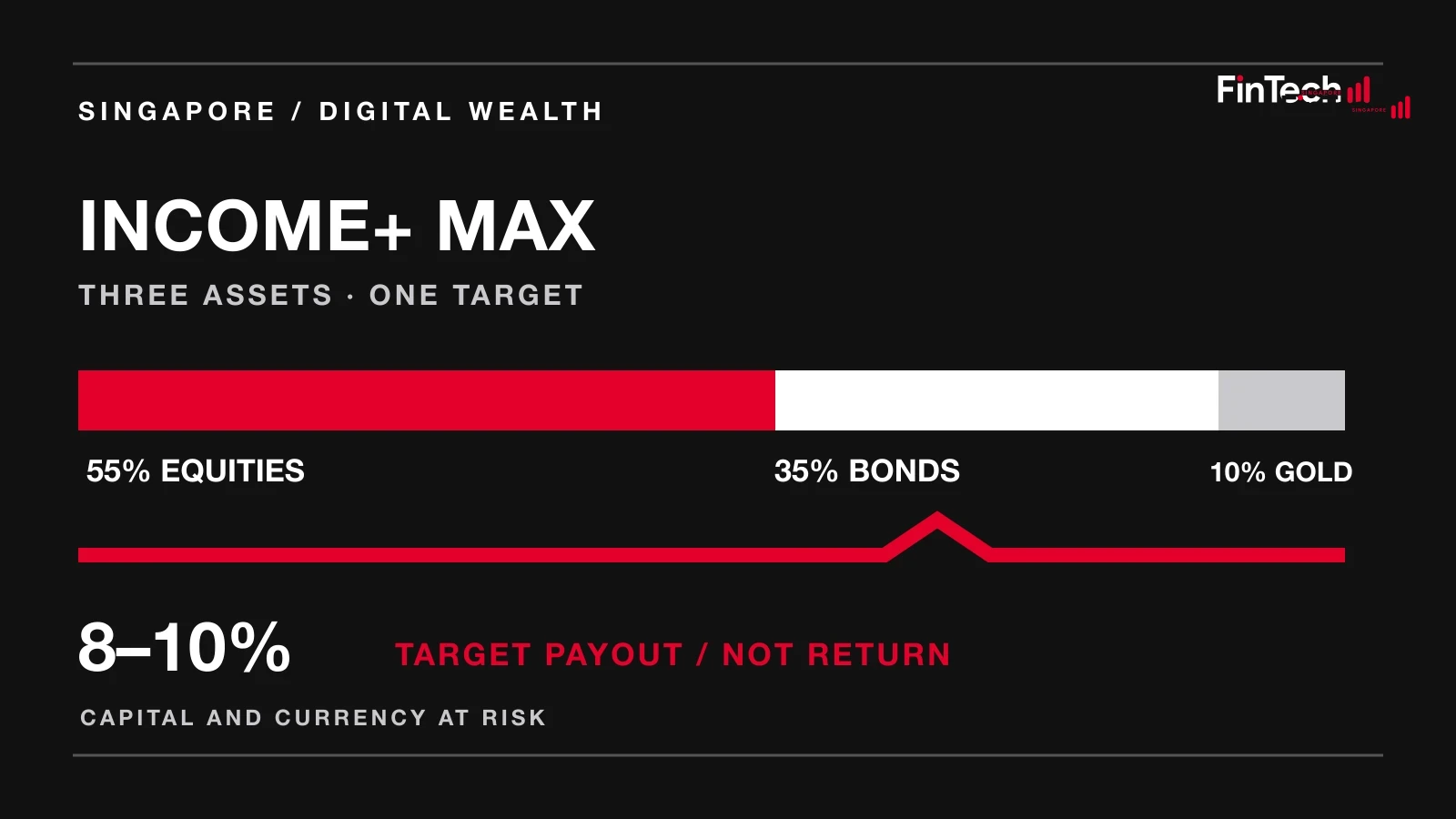
Syfe introduced Income+ Max to its Singapore range in its 7 October announcement. The US dollar-denominated portfolio targets monthly distributions equivalent to 8%–10% a year. The target can change, and neither the distributions nor the capital invested are guaranteed.
Its launch allocation is 55% equities, 35% fixed income and 10% gold. Syfe's portfolio comparison describes Max as carrying higher market risk than the bond-based Preserve and Enhance portfolios, with limited participation in strong equity rallies. A higher payout target therefore comes with a different investment exposure, rather than simply more income from the same risk.
The trade-off behind option income
The underlying ETFs receive income from dividends, bond coupons and option premiums. Selling a call option earns a premium in exchange for giving the buyer a right linked to an asset or index at an agreed exercise price. That payment is compensation for a financial commitment, rather than additional interest appearing without a cost.
J.P. Morgan Asset Management's explanation of its equity premium-income strategies describes the trade as receiving option income while limiting some potential market gains. Its strategies use an options overlay alongside equity holdings; their mechanics should not be simplified into a claim that every fund directly sells the same shares in the same way.
For an investor, the relevant question is whether receiving more cash now justifies giving up some participation in a strong rally. Option premiums can contribute to returns, but they do not guarantee that the underlying investments will hold their value. Syfe also discloses that some distributions may come from fund capital. The distribution amount alone does not establish how much new wealth the portfolio created.
How a cash payout can accompany a loss
Consider a hypothetical US$10,000 investment held for one year. Assume the investor receives US$900 in cash distributions and the remaining portfolio is worth US$8,700 at year-end. The combined value is US$9,600, giving a loss of US$400, or 4%, despite cash payouts equal to 9% of the initial investment.
The calculation is US$8,700 plus US$900, minus US$10,000. It assumes no additional deposits, withdrawals or reinvestment, and excludes fees, tax and currency conversion. The closing value is after those distributions, so they are not deducted from it a second time. This is an illustration of the distinction between payout and total return, not a forecast or a record of Income+ Max's performance.
Syfe's published historical simulation is backtested. It can describe how a chosen strategy might have behaved under its assumptions, but it is not the realised experience of a Singapore customer in this newly introduced portfolio.
Check how the income reaches your account
There is no minimum amount to begin investing, but Syfe requires a portfolio value of at least S$5,000 to enable cash payouts. Below that threshold, distributions continue to be reinvested.
According to its payout instructions, reinvestment is the default for Max. Eligible investors can choose payments into a verified bank account. Cash distributions are converted from US dollars into Singapore dollars at the prevailing rate, and usually arrive by the 24th of the following month. The first amount depends on when the investment was made.
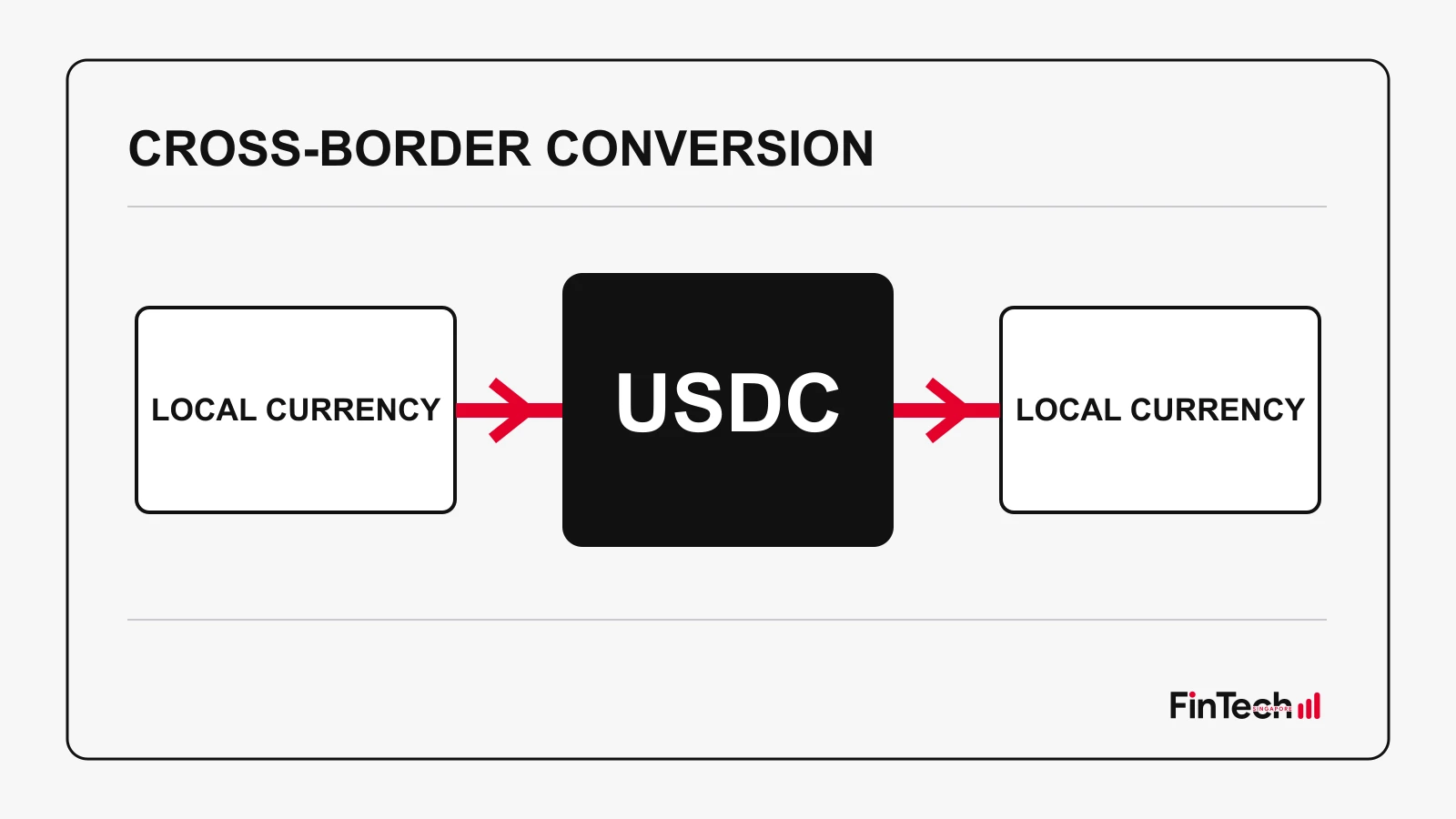
That timing matters if the money is intended to meet a monthly bill. The advertised annual rate does not promise an identical amount on a particular day each month. An investor also needs to account for the conversion into the currency in which their expenses are paid. If the US dollar weakens against the Singapore dollar, the local-currency value of the remaining investment can fall even when its US dollar value is unchanged.
Compare costs and risks on the same basis
Syfe's fee guidance distinguishes its management charge from embedded ETF fees and currency-conversion charges. The dated launch article and general help page quote different ETF fee figures, so confirm the current weighted cost for the actual holdings before relying on a blended percentage. Check the pricing tier as well; a platform fee alone is not the complete picture.
Our assessment is that a fair comparison should begin with the investor's cash-flow need, then examine capital exposure, currency, liquidity and total costs. Comparing a target US dollar distribution with a Singapore dollar interest rate without those distinctions can conceal more than it explains. A reinvesting investor should also ask whether the strategy's income emphasis serves their objective when the cash will remain invested.
The Bottom Line
Income+ Max is a way of exchanging some potential market upside for a different pattern of cash income, while retaining investment risk. Fintech.com.sg's verdict is that the distribution headline is insufficient to judge its value: the decision depends on the total-return trade-off and whether the payout mechanics fit the intended use of the money.
The more useful evidence over time will be actual distributions, changes in portfolio value and costs under real market conditions. Until that record develops, a target payout and a backtest should remain separate from demonstrated customer outcomes.