Five forces shape the 2026 programme
Singapore FinTech Festival 2026 will organise its main discussion around five forces changing global finance: technology, geoeconomics, capital, talent and policy. The event is scheduled for 18 to 20 November at Singapore Expo, bringing together policymakers, regulators, financial institutions, technology companies, investors and founders.
The festival is organised by the Monetary Authority of Singapore and the Global Finance & Technology Network, in collaboration with the Association of Banks in Singapore. Its 2026 framing treats financial change as a connected system rather than a collection of product trends.
Technology meets a more fragmented economy
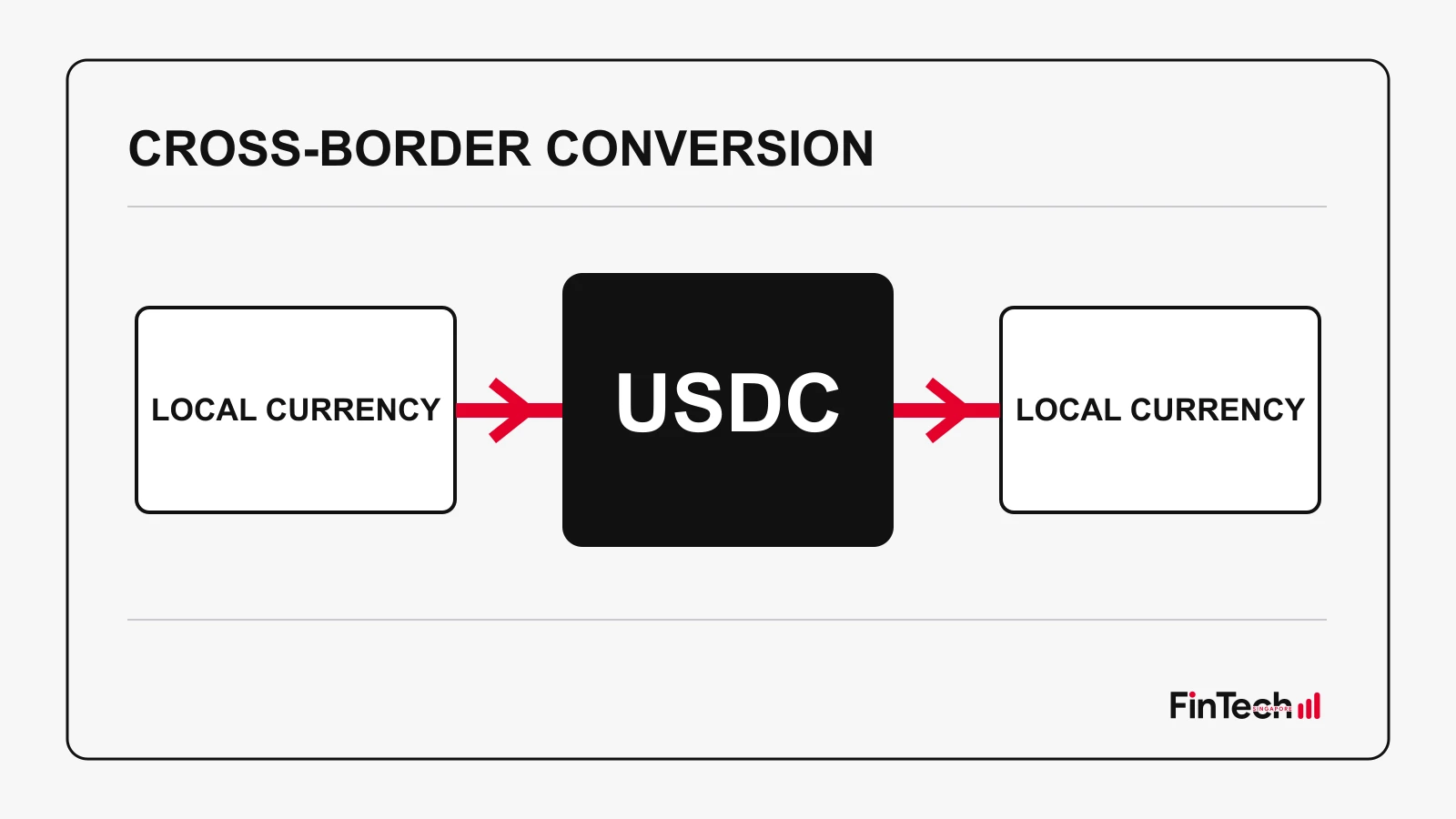
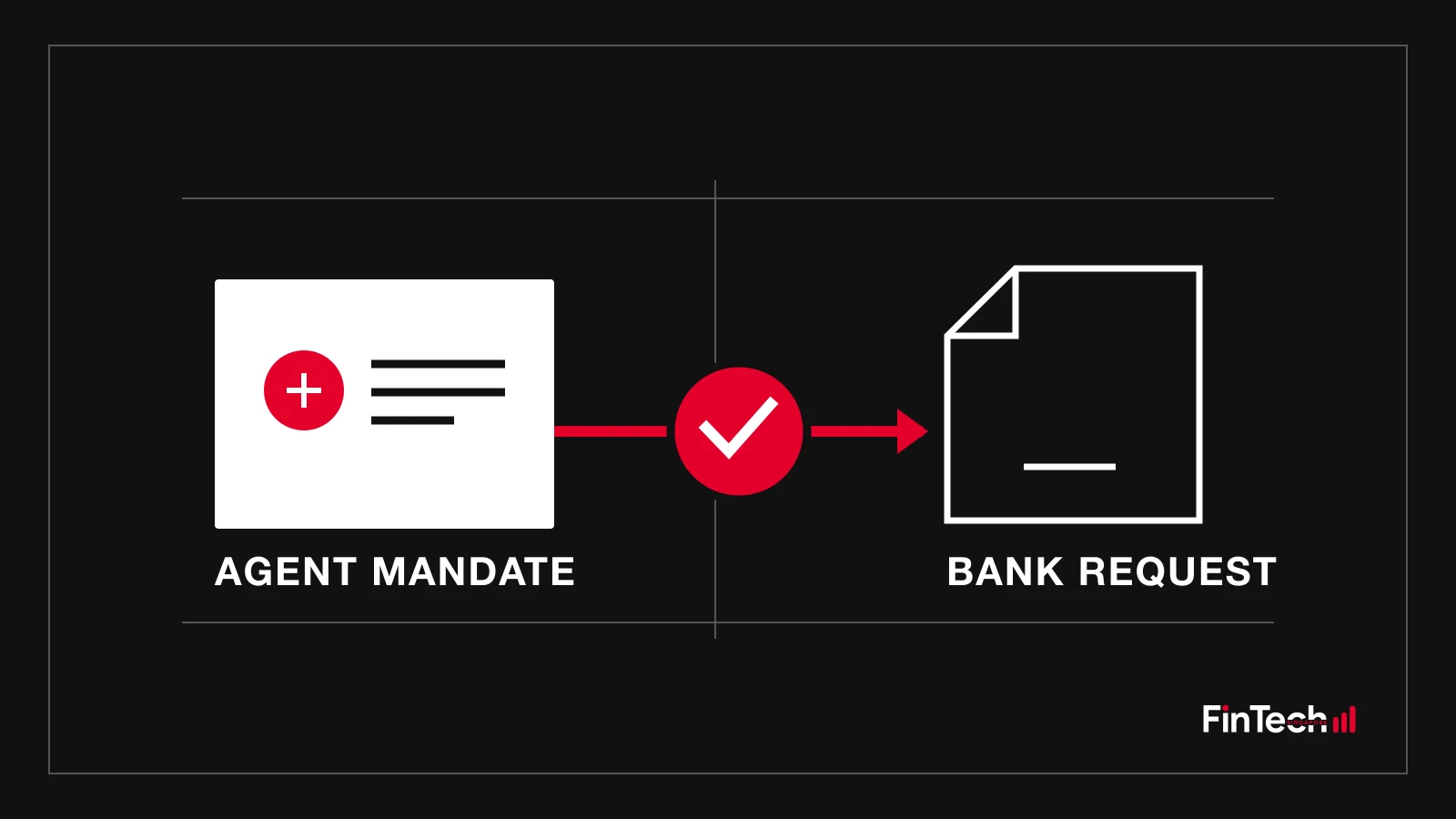
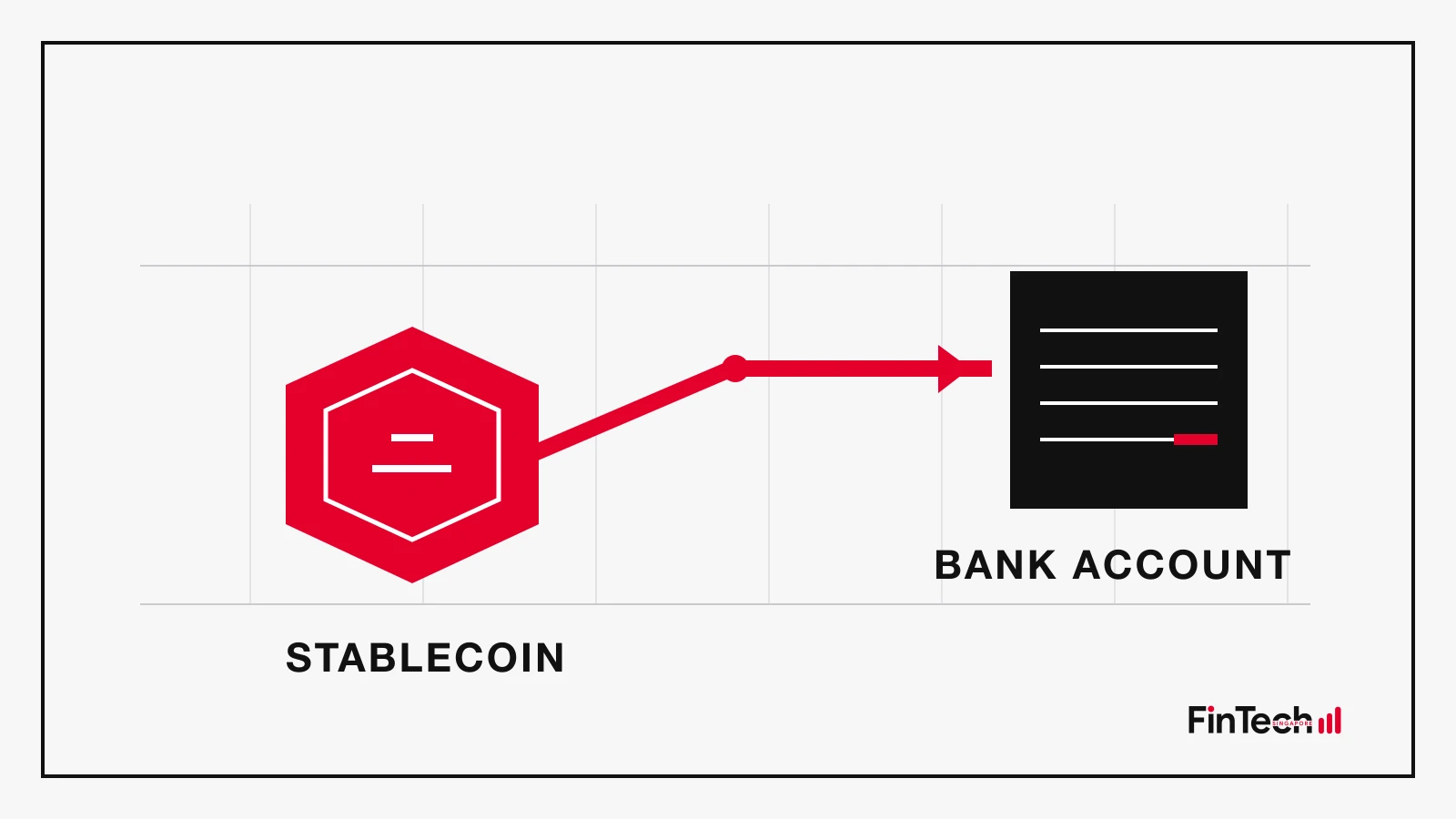
The technology theme will examine how institutions can gain productivity from AI while responding to AI-enabled scams, cyber threats and the longer-term implications of quantum computing. The published agenda also includes sessions on agentic payments, stablecoins, tokenised deposits, digital currencies, cloud, digital banking and operational resilience.
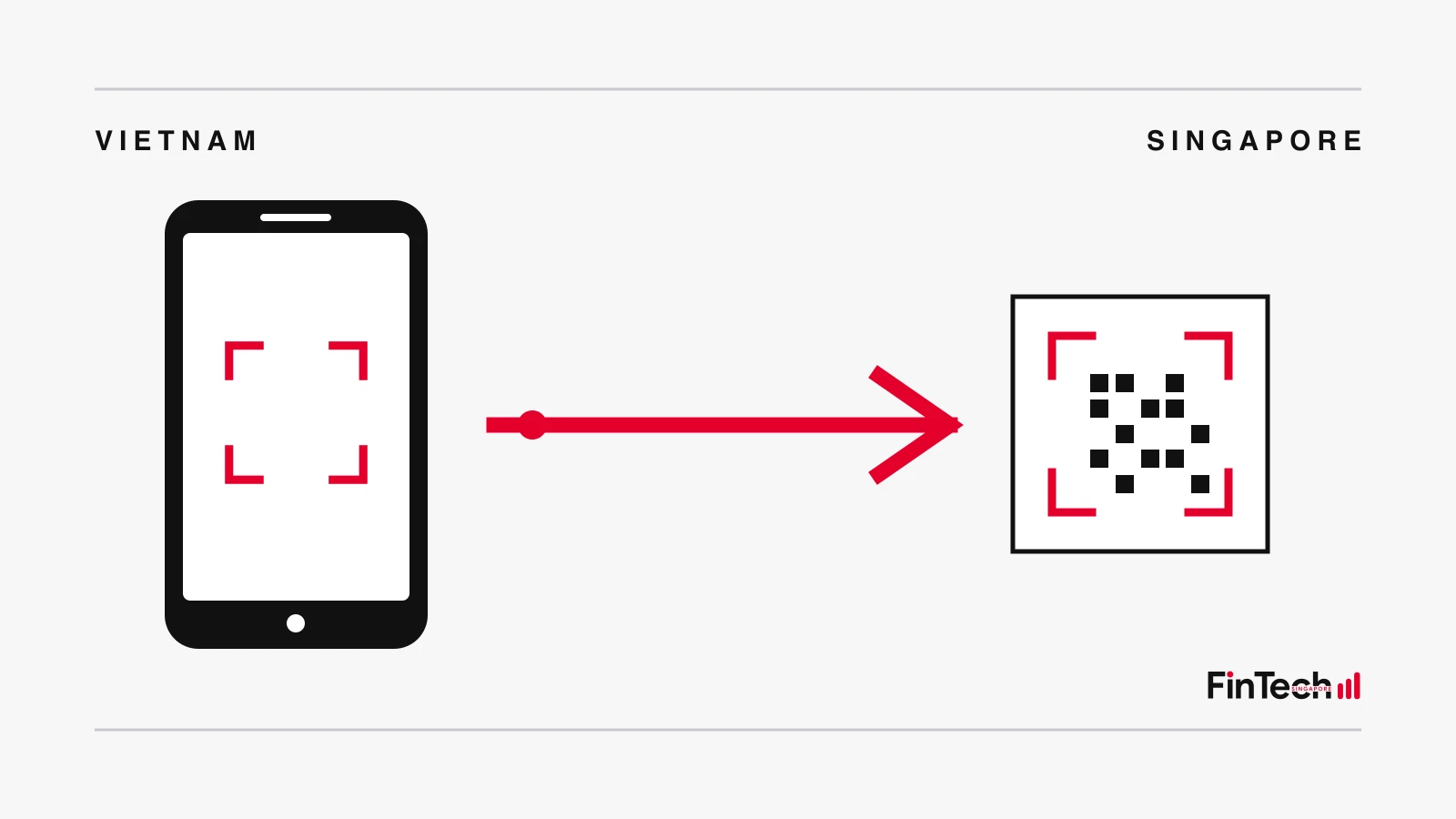
Geoeconomics focuses on changing trade, investment and capital flows as new corridors form between markets. For payment and financial-infrastructure providers, the question is how networks can remain useful when economic relationships become more fragmented and trust is increasingly shaped by strategic as well as commercial concerns.
Capital, talent and policy complete the picture
The capital programme asks whether productivity and revenue growth can sustain heavy investment in AI-linked companies and infrastructure. It also creates space for investors and founders to test assumptions about where funding will move next, particularly as the cost of technology and the path to commercial returns become more closely examined.
Talent sessions will look at how AI changes jobs and the capabilities financial institutions need. The policy theme turns to governance and risk frameworks that can keep pace with technology without sacrificing trust. Together, the three themes recognise that adoption depends on people, financing and workable rules as much as on technical performance.
Programmes built around practical connections
The special programmes include Founders Peak, where founders discuss lessons from building companies; Investor Hours and the Capital Meets Policy Dialogue, which connect capital providers with entrepreneurs and policymakers; and SFF MeetUp, a programme for pre-arranged business introductions.
The Global FinTech Hackcelerator will provide mentorship, investor access and a demo-day prize pool for early-stage companies. International pavilions and the multi-hall exhibition are intended to give financial institutions, technology companies and startups a place to demonstrate products and develop partnerships alongside the conference sessions.
Two days of senior meetings before the festival
The Insights2040 Annual Meeting, previously called the Insights Forum, will take place on 16 and 17 November at Sands Expo and Convention Centre. The invitation-only gathering is designed for senior public- and private-sector leaders to work through technology and financial-services problems that require coordination across organisations.
Separating those discussions from the larger festival creates two layers of engagement: smaller working meetings first, followed by a broad public programme. The value of that structure will depend on whether the conversations produce partnerships, standards or policy work that continues after the event.
A wider definition of fintech
The five-force framework moves the programme beyond a showcase of new applications. It places fintech within questions about economic corridors, investment priorities, workforce transition and regulation. That is a more realistic view of why some technologies scale while others remain in pilot form.
For Singapore, the festival remains both an industry gathering and a platform for shaping its role as an international financial centre. The 2026 test will be whether participants can turn a crowded agenda into specific action on interoperable infrastructure, responsible AI, cross-border finance and the skills needed to operate them.