Payment speed depends on available money
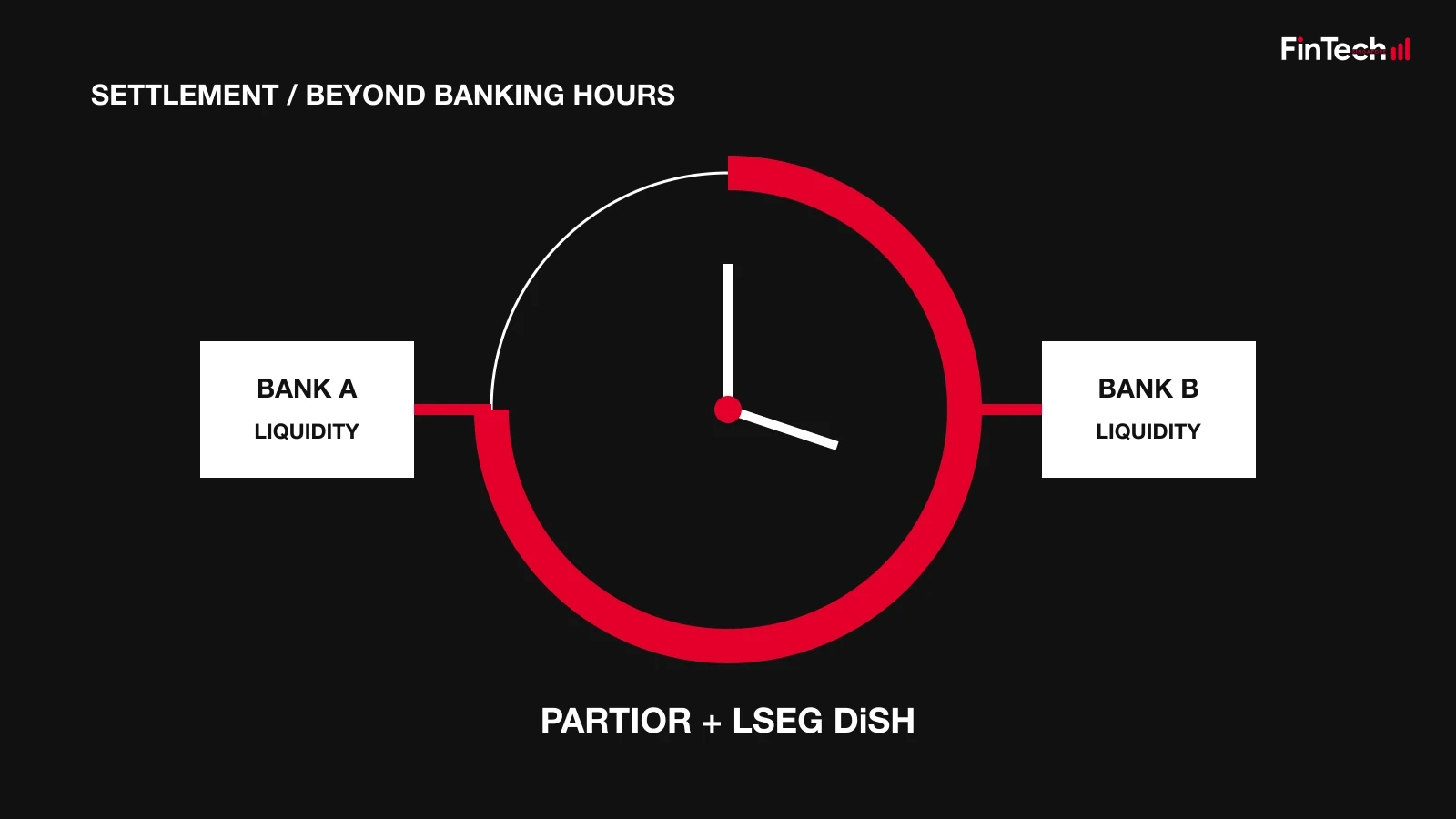
A payment instruction can travel quickly while the money needed to complete it remains in the wrong account. That funding problem is the focus of Partior’s collaboration with LSEG Digital Settlement House, announced in London and Singapore on 17 September.
According to Partior’s announcement, the firms are developing a Multi-Settlement Bank solution using LSEG DiSH trust accounts. The design aims to let participating banks move settlement liquidity across several banks outside conventional operating hours. Industry testing is in progress; the release places production go-live and further bank onboarding from the first quarter of 2027.
Why a treasury team should care about liquidity
Settlement liquidity is money available where a payment needs to be completed. Sending an instruction and having enough funds in the right place are separate operational tasks.
Consider a hypothetical exporter expecting payment over a weekend. A faster network is useful only if each required settlement participant can complete its part of the transfer. If funding is unavailable until the next business day, a rapid message does not deliver rapid access to money.
The proposed infrastructure addresses that dependency. Its value for a corporate customer would come through the service offered by its bank, rather than a new consumer payment app.
Fewer separate funding relationships is the ambition
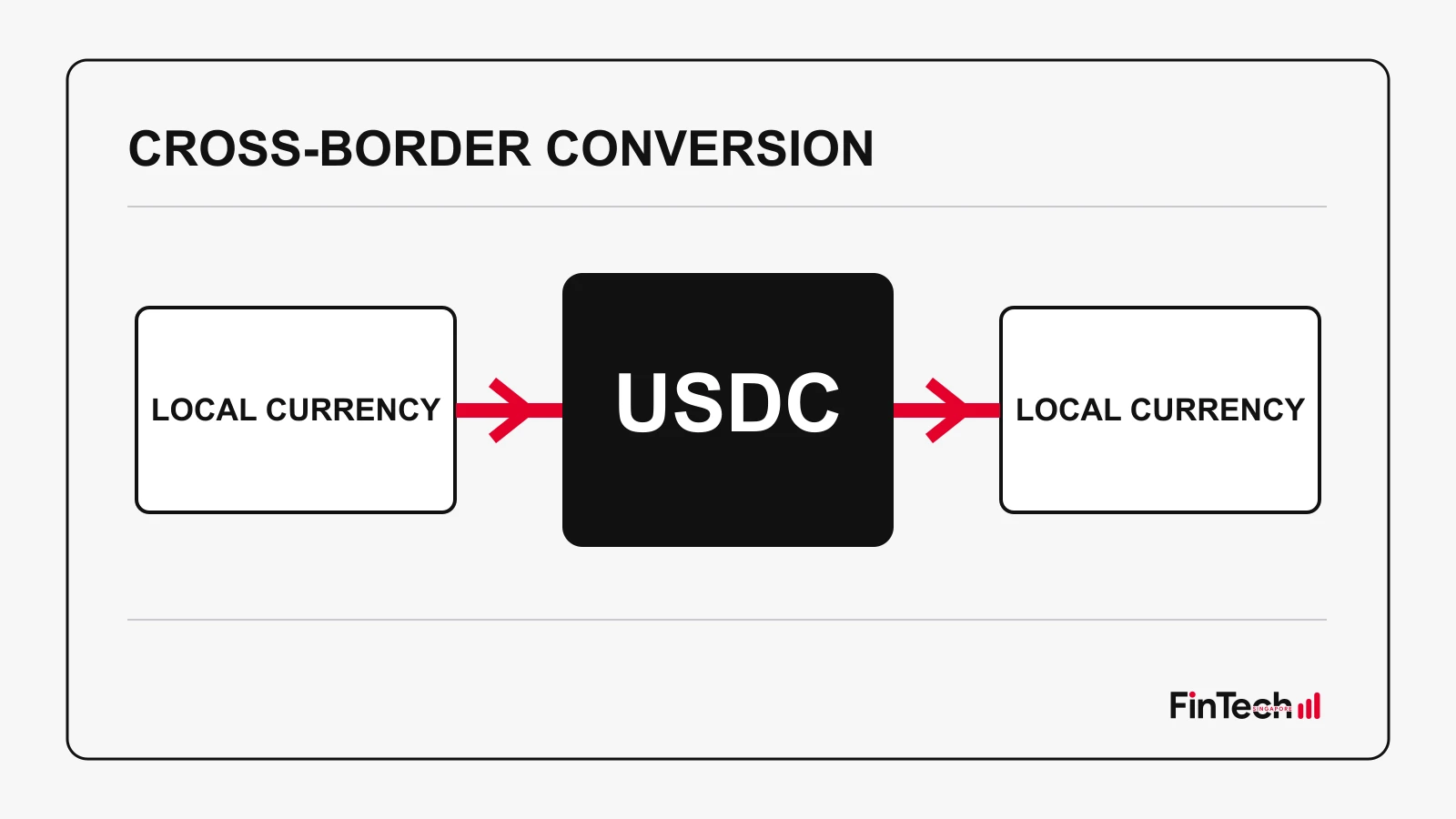
The companies aim to reduce reliance on pre-funded bilateral nostro arrangements: accounts a bank maintains with another bank to support settlement. Partior says the combined design would bring its multicurrency network together with DiSH’s omnibus trust-account framework.
For finance teams, the useful comparison is the amount of cash they must position in advance, alongside transaction charges and operational effort. A lower headline transfer fee may have limited value if a business still needs substantial idle balances across several accounts. Conversely, more flexible funding would need to be weighed against service fees and contractual terms.
The next evidence is operational
The announcement is a development milestone, not confirmation that every bank customer can use the combined service today. Its reference to round-the-clock capability also allows for maintenance and operational outages.
Businesses evaluating a future offering should ask their bank which currencies and counterparties it supports, when funds become usable, and how a failed or delayed transfer is handled. Those details will be more informative than a general promise of faster cross-border payments.
This is distinct from the previously reported SGD blockchain transactions involving DBS, OCBC and UOB. Here, the central issue is connecting settlement liquidity across banking infrastructures.