More transactions and more users are separate measures
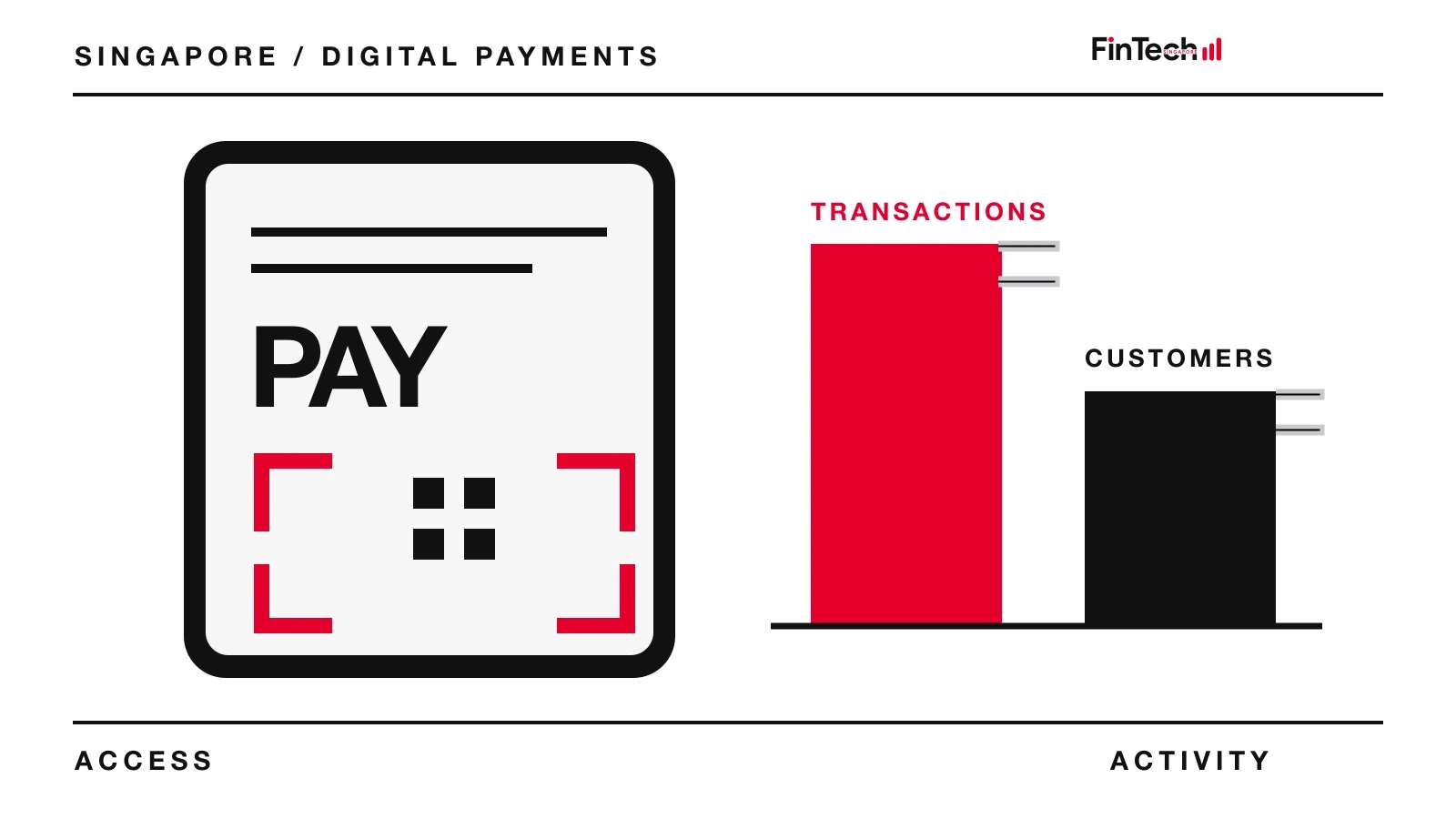
OCBC says its customers aged 60 and above made nearly 60% more digital payment transactions through its app in the 12 months ended 30 June 2026 than in the preceding year. In the bank's 30 September announcement, it separately reports that the number of older customers using the app for payments rose nearly 30%.
That difference suggests existing users were making payments more often as well as more people taking part. It does not reveal how many customers or transactions were counted: OCBC did not publish the starting totals. The figures cover its own customers aged 60 and above, so they cannot be read as the adoption rate for all seniors in Singapore.
Shopping and travel drove different kinds of use
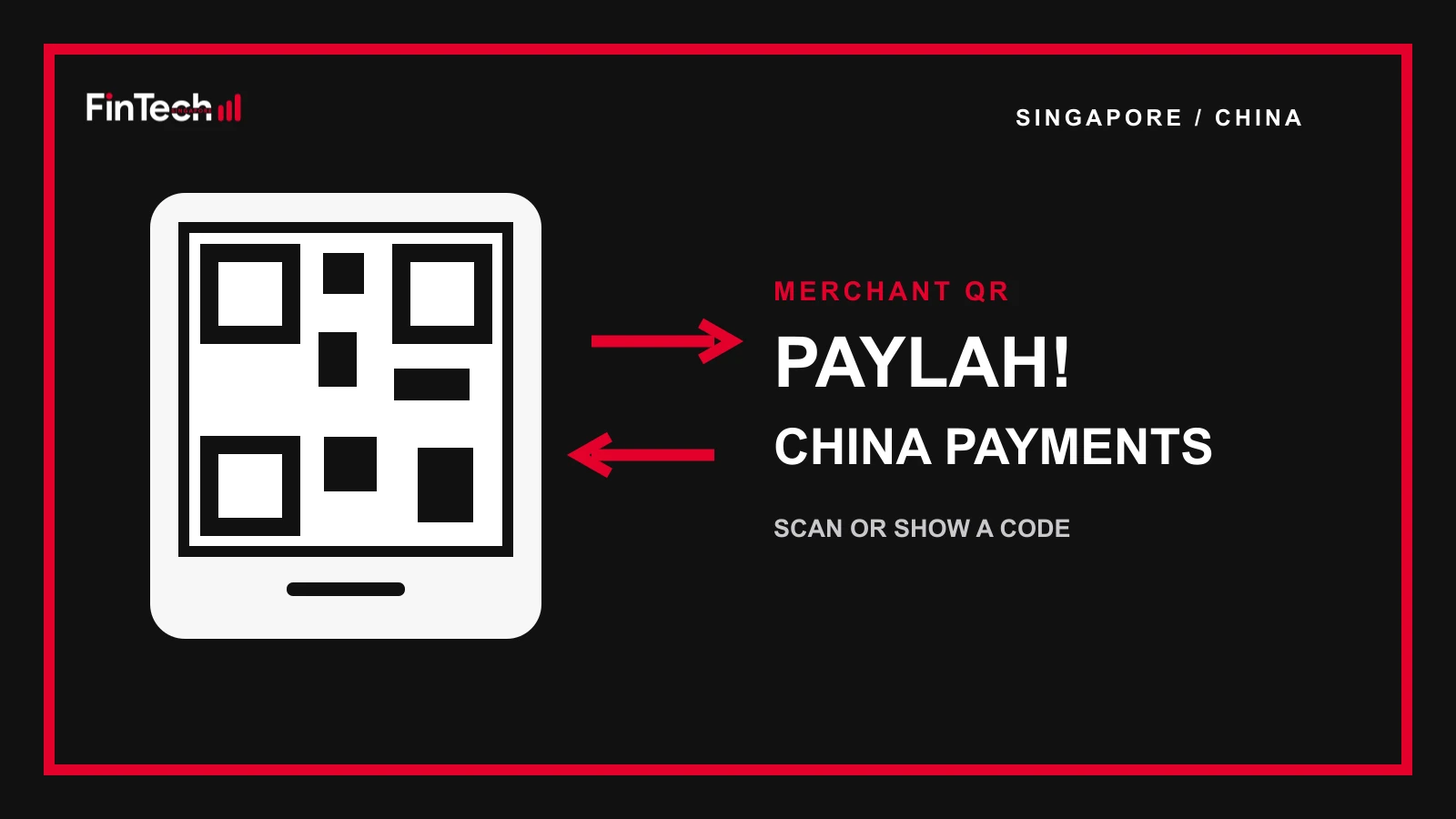
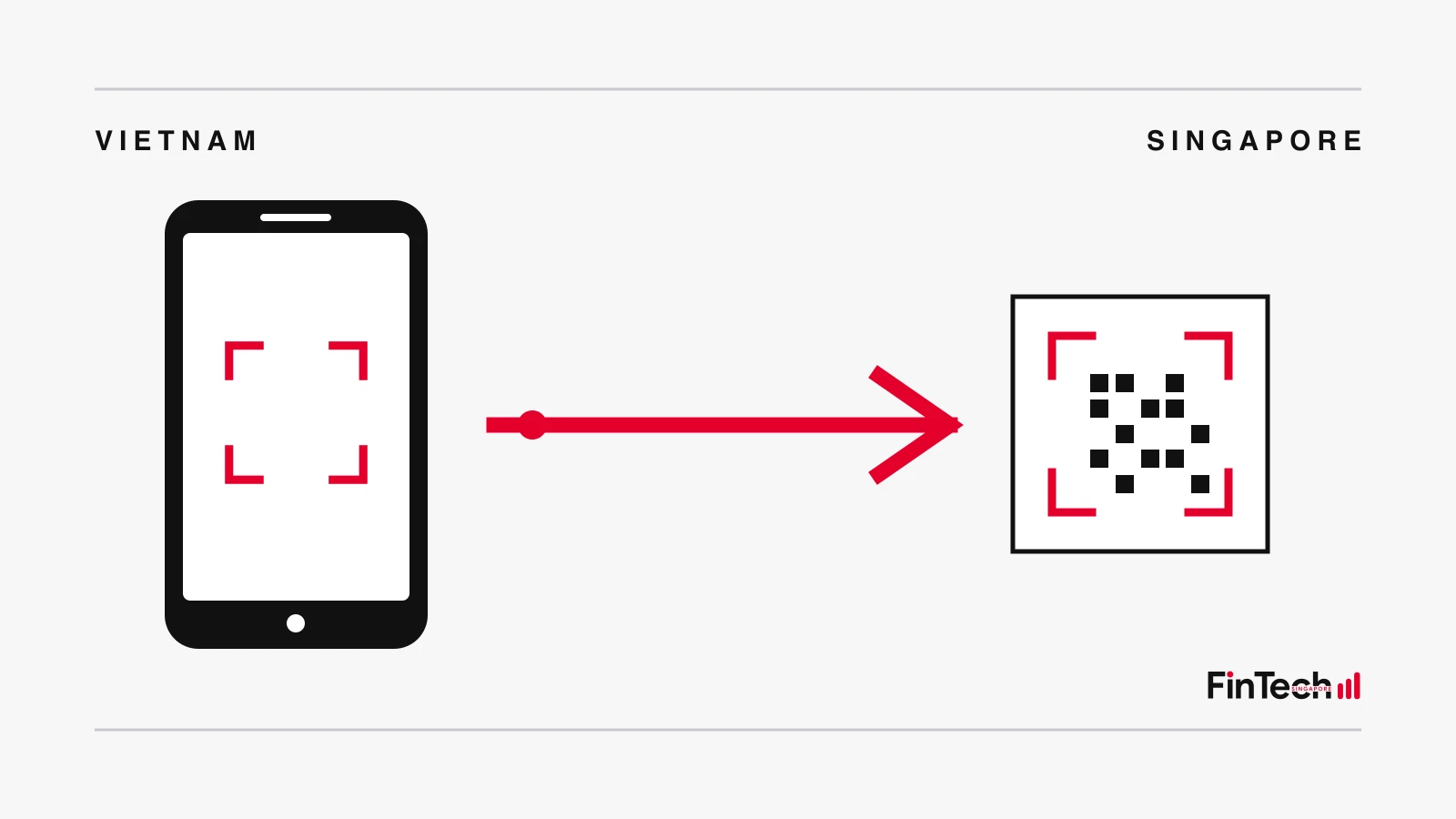
OCBC says older customers' PayNow payments to e-commerce and livestream shopping platforms through the app were 1.5 times higher than a year earlier. Their overseas QR payment transaction count more than doubled over the same period. China accounted for almost 80% of the value of this group's overseas QR payments; that is a share of their cross-border QR spending, not of all OCBC overseas payments.
The bank says its Scan & Pay feature works across more than 55 destinations through several payment networks. Coverage still depends on the merchant and supported QR scheme. OCBC's payment guide tells users to review the amount, exchange rate and payment details before confirming an overseas scan. A traveller should check the app's displayed terms for the specific payment rather than assume every QR code or currency route works alike.
Access requires more than an app download
OCBC reports that more than 150,000 seniors have joined over 180 financial and digital-literacy workshops or events since 2022. Its Smart Text option, introduced in 2025, lets users choose from seven text sizes in English and Chinese; more than 15,000 seniors have adopted it. The bank's earlier design announcement said the feature was built to make key banking screens easier to read.
Those details show what OCBC is doing to reduce barriers to digital banking. They do not establish that workshops or larger text caused the latest payment growth. The bank has not published a comparison of participants and non-participants or a breakdown of first-time and repeat payment users.
A practical check before paying
Greater digital use also makes the checkout path important. For online shopping, ScamShield advises using the payment option within the shopping platform and avoiding QR codes or links sent by a seller in a message. That is especially relevant when a familiar payment app can be opened from an unfamiliar sales conversation.
OCBC's figures are a useful sign of deeper use among its older app customers. A fuller assessment would need the underlying counts and evidence on whether accessibility and education efforts help more people complete payments confidently and safely.