What is open for comment
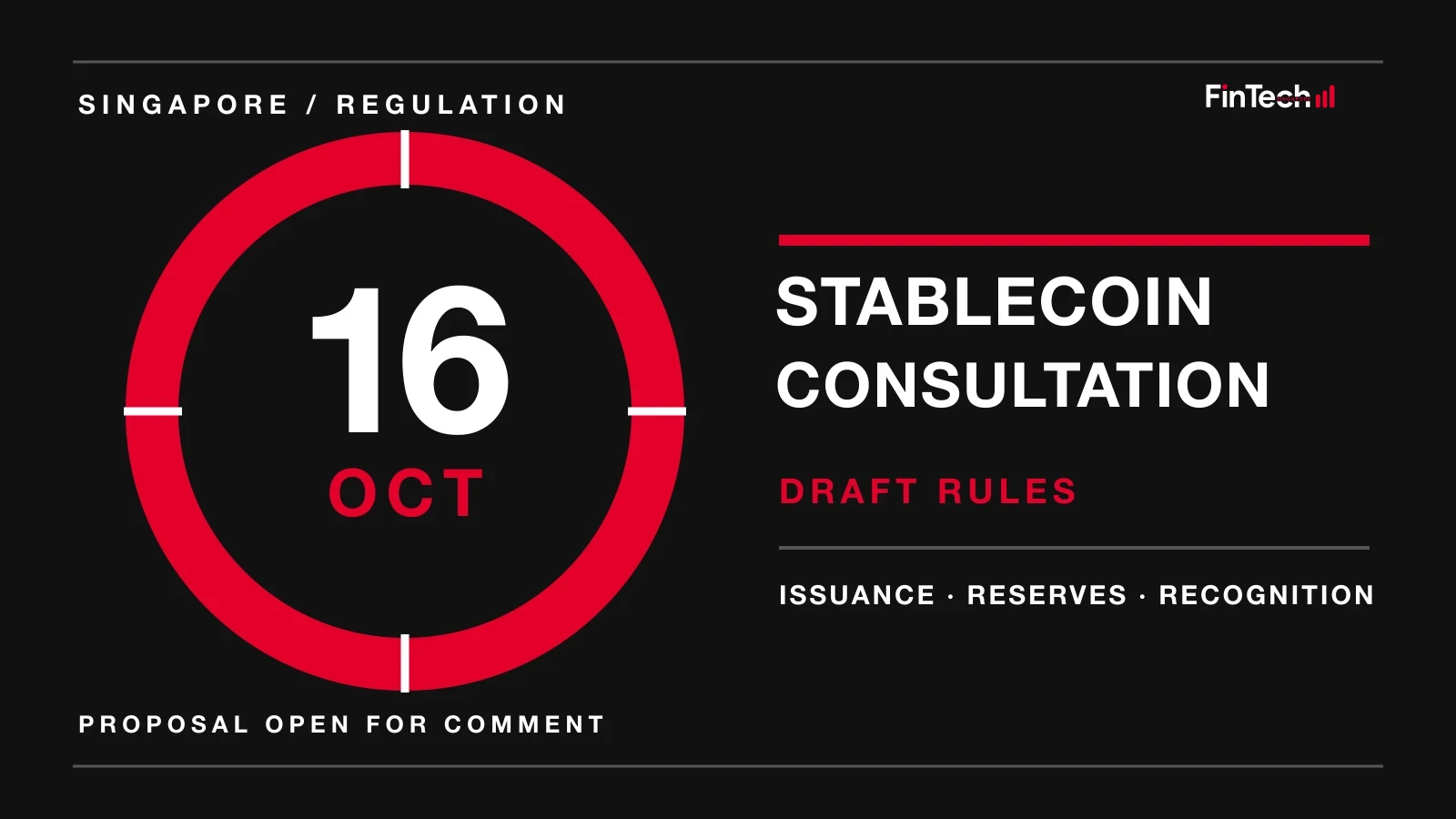
The Monetary Authority of Singapore is seeking comments on proposed stablecoin legislation until 11.59pm on 16 October. Its consultation page identifies the exercise as P015-2026, opened on 1 September. The proposals would implement the single-currency stablecoin framework through amendments to the Payment Services Act.
MAS's 2023 framework announcement set out policy features covering reserves, capital, redemption at par and disclosures for Singapore-issued tokens pegged to the Singapore dollar or a G10 currency. The current exercise concerns the legislative implementation and further requirements. The earlier policy announcement and a final, operating statutory regime are different stages.
Why the label needs a specific licence
Under MAS's September policy summary, only issuers licensed under the eventual framework could hold themselves and their tokens out as MAS-regulated stablecoins. Holding another payment-services licence would not automatically qualify an issuer for that designation.
The distinction is useful because an authorisation attaches to a legal entity and an activity. A company's general description as regulated does not tell a user which stablecoin obligations apply to a particular token. The consultation should not be read as evidence that a named token has already obtained the proposed licence or recognition.
For a token user, the starting questions are the identity of the issuer, the applicable jurisdiction and the terms under which the token can be exchanged back into its reference currency. For a business accepting it, those questions also affect how the received balance could be converted into money for ordinary expenses.
Reserves and redemption address different problems
The consultation paper's proposed core obligations include reserve assets at least equal to the par value of tokens in circulation, redemption in the pegged currency within prescribed timeframes, and safeguarding customer funds until tokens are delivered. These remain proposed legislative arrangements.
Our assessment is that reserve adequacy and usable redemption should be considered together. Assets backing a promise and a holder's ability to recover money are related but distinct. A business needs to understand the route from the token it receives to funds it can use, including eligibility to redeem, fees and timing under the relevant terms.
Customer money received before issuance creates another practical question: what protects the payment while the token has not yet been delivered? The proposal addresses that interval rather than treating minting as if it occurred without a gap. Users should still examine the actual terms of any service they use today, instead of assuming the draft's safeguards already apply to it.
What cross-border recognition would require
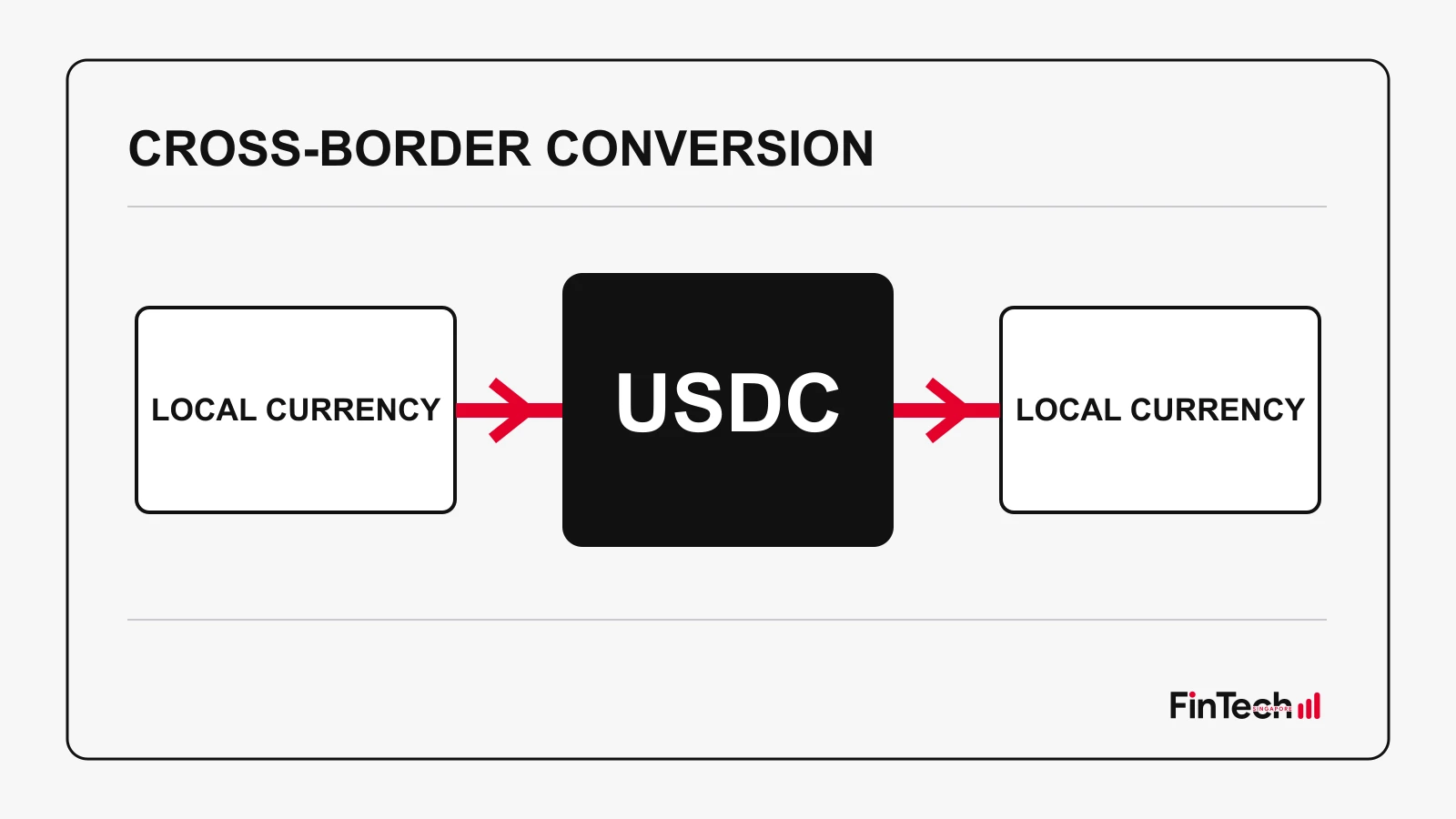
MAS proposes a route for joint Singapore and foreign issuance where risks are sufficiently mitigated, and recognition for a limited number of foreign-issued stablecoins under comparable regulation. Neither proposal offers automatic recognition to every token distributed across borders.
The consultation paper considers comparable holder rights across issuing entities, including redemption conditions. For a business, the practical issue is whether the token acquired in one jurisdiction can be redeemed on understood terms through the relevant entity. A familiar token name is not enough to establish that arrangement.
The regulator also proposes stress testing and recovery and orderly wind-down plans, alongside prohibiting interest paid on MAS-regulated stablecoins. Its paper explains the latter proposal as distinguishing a payment instrument from a savings or investment product. That proposed restriction should not be turned into a claim that all activities or third-party commercial arrangements involving stablecoins are prohibited.
Questions worth resolving before implementation
Issuers and payment businesses can use the consultation to address concrete operating questions: reserve liquidity during heavy redemptions, how customer money is protected before delivery, coordination between issuing entities and how a failure would be managed. A response should engage with the proposed text and its consequences rather than only endorse the idea of regulation.
For users, the current task is to distinguish existing product terms and authorisations from the proposed framework. No final effective date or recognised-token list should be inferred from the consultation. The next milestones are MAS's response, the legislative process and verified information about licences or recognitions as implementation proceeds.
The Bottom Line
Fintech.com.sg's verdict is that the framework's value should be judged by the enforceable arrangements behind the label: who is accountable, what supports the promise and how money is recovered under stress. The proposals make those questions more concrete, but the consultation itself supplies neither a final licence nor assurance about a particular token.
A reader deciding whether to use stablecoins should examine the applicable issuer and redemption terms today. A business responding to the consultation should test whether the proposed arrangements work through the full payment and recovery process, including across borders.