A licence confirmed in the MAS directory
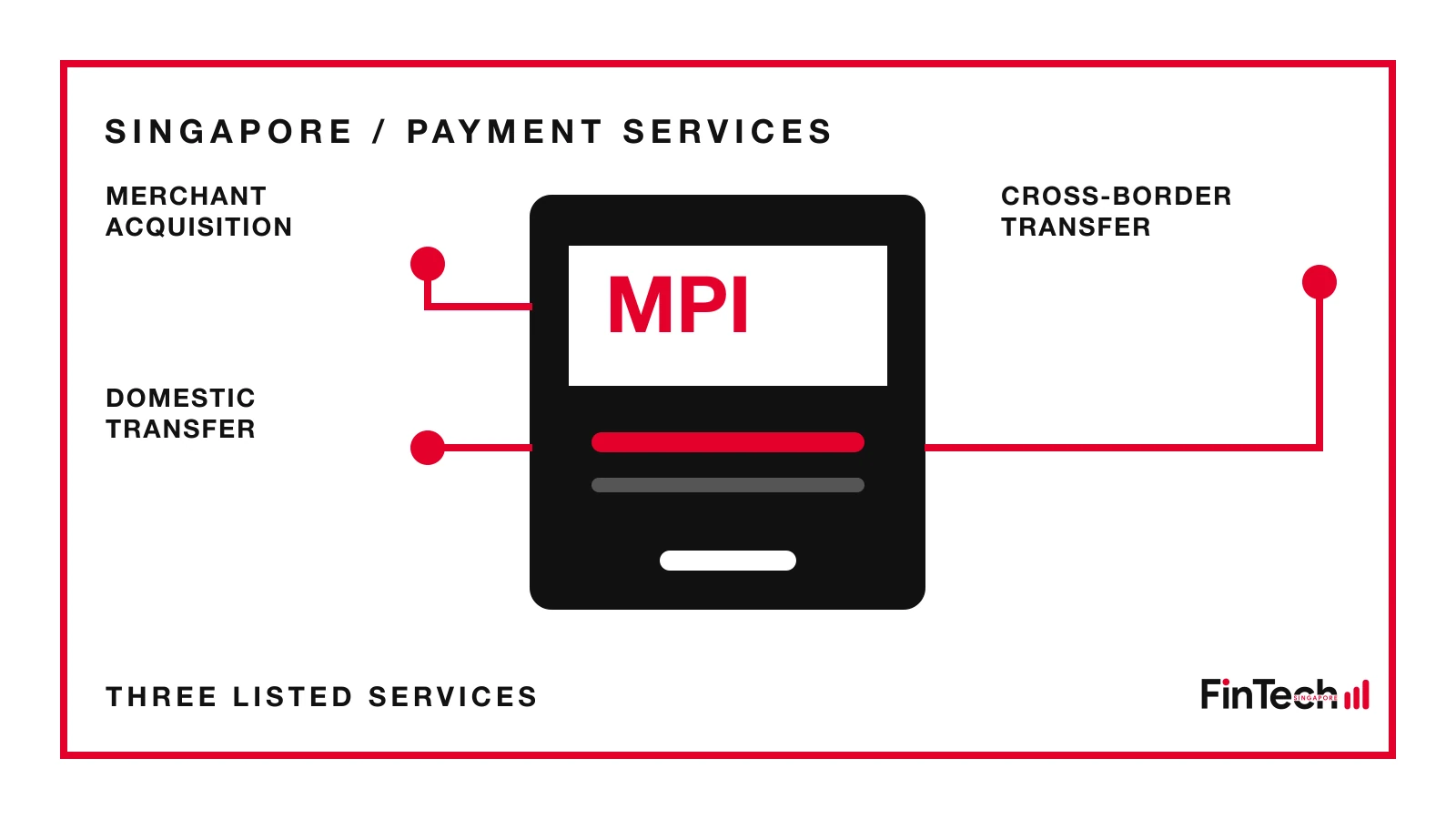
Singapore’s Monetary Authority of Singapore directory now lists KPay Merchant Service (Singapore) Pte. Ltd. as a Major Payment Institution. The entry names three regulated services: merchant acquisition, domestic money transfer and cross-border money transfer. That is a concrete change from the in-principle approval KPay announced earlier this year, which was a step towards a licence rather than the licence itself.
KPay announced the completed licence on 15 October in a company-authored press release carried by The Business Times. The directory confirms the present regulatory status and service scope, but its footer does not give the grant date. The date of this story is KPay’s announcement, not a claimed date of MAS approval.
What the authorisation covers
Merchant acquisition is the regulated service behind accepting and processing payments for merchants. Domestic and cross-border money transfer are separate listed services. The licence gives KPay a regulatory basis to provide those specified services in Singapore; it does not make KPay a bank or amount to MAS approving every feature in a point-of-sale package.
For a merchant, the useful distinction is between a licensed payment service and the software wrapped around it. An inventory dashboard, invoicing workflow or restaurant order screen may be valuable, but those features need their own product assessment. A business should still check its contract, settlement arrangements, fees, support and treatment of refunds before changing providers.
Online payments and POS are the next test
KPay says it is introducing Online Payments for e-commerce transactions, digital invoicing and remote collection. It also describes KPay POS for food-and-beverage operators, combining in-store payment acceptance with inventory information and real-time business insights. These are company plans and descriptions; the announcement does not set out a general-availability date, an eligible-merchant list or pricing for the new offers.
The group says it has served more than 10,000 Singapore merchants since setting up local operations in 2022, particularly in F&B and retail. That is a company-reported figure, not an independently audited merchant count. The size of the existing base does not by itself show how many businesses will use the new online or POS products.
What merchants should check
A restaurant considering an integrated terminal and POS system would need to compare the payment methods it can accept, when sales proceeds reach its account, what happens during a network outage and how its existing menu, stock and accounting systems connect. An online seller would also need to know which checkout methods are supported, how chargebacks are handled and whether cross-border receipts involve conversion costs. KPay’s release does not answer these merchant-specific questions.
The MAS directory is the right starting point for verifying the licensed entity and service types. A proposal or sales document should then identify which KPay entity contracts with the merchant and set out the applicable product terms. This is especially relevant when a group operates in several jurisdictions: a Singapore licence speaks to the Singapore entity and its listed services.
The key takeaway
KPay has moved from an in-principle approval to a licence that MAS currently lists for three payment services. That gives its Singapore expansion a verified regulatory foundation.
The next evidence for merchants will be the new products’ published availability, pricing and operational terms. The licence is confirmed; the practical value of the proposed online and POS bundle will depend on those details.