A two-stage deal for regional lending scale
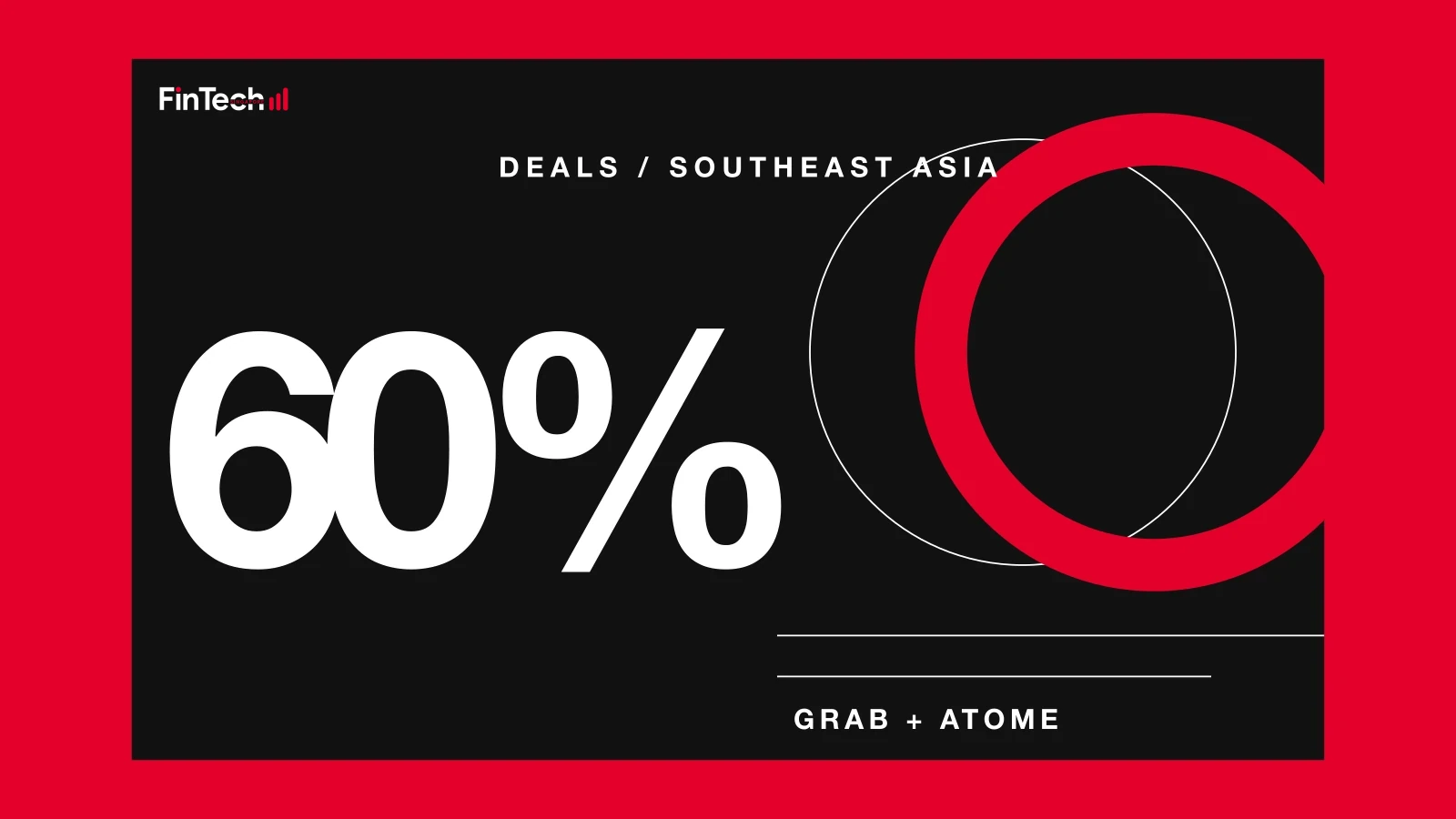
Grab has agreed to acquire a controlling 60% interest in Atome Financial for US$1.49 billion in cash, giving the Singapore-headquartered technology group a larger position in Southeast Asia’s consumer-credit market. The proposed first phase includes US$260 million of new growth capital for Atome and is expected to close by the third quarter of 2027, subject to regulatory approvals and customary conditions.
The agreement also establishes a second phase. Grab plans to buy the remaining 40% approximately two years after the initial completion. That later consideration is not fixed: it will be calculated using Atome’s performance before the second closing, subject to an agreed equity-value floor of US$2 billion and a cap of US$4.5 billion. Grab said at least half of that payment would be made in cash.
What Grab is buying
Atome Financial provides buy now, pay later products, consumer cash loans, BNPL cards and other digital-lending services. It operates in Singapore, Malaysia, Indonesia, Thailand and the Philippines, with 25 million cumulative transacted users and relationships with more than 30,000 brands. The company reported a gross loan portfolio of about US$1 billion in Grab’s announcement.
That footprint complements Grab’s existing mix of payments, insurance, partner lending, consumer lending and digital-bank interests. Grab reaches nearly 54 million monthly transacting users across its wider ecosystem. Bringing the two platforms together could create new distribution routes: Atome would gain access to Grab users, while Grab could offer services to Atome’s merchants and customers.
Credit data becomes a strategic asset
The commercial logic rests partly on underwriting. Atome has built models around its lending and payment activity, while Grab has behavioural data from mobility, delivery and merchant transactions. Used within applicable privacy, licensing and consumer-protection rules, the combined information could help the companies assess borrowers who have limited conventional credit records.
Grab said the combination should support faster loan growth and a lower cost to serve than either business scaling independently. It also pointed to fraud controls, collections and shared risk-management practices as areas for collaboration. Those capabilities will matter because rapid digital-credit expansion can expose lenders to deteriorating loan quality if approval models or collections fail to keep pace.
A larger financial-services target
Grab expects Atome and the rest of its financial-services segment to produce US$500 million of adjusted earnings before interest, tax, depreciation and amortisation in 2028, with a combined gross loan portfolio above US$6 billion. The company also raised its group-level 2028 adjusted EBITDA target to US$1.7 billion and is targeting compound annual revenue growth of more than 30% from 2025 to 2028.
Those are forward-looking company targets, not guaranteed outcomes. The proposed acquisition will be funded from Grab’s existing cash and is expected by the company to add to adjusted EBITDA after completion. Atome’s existing management team is due to continue running the business after Grab consolidates it into its financial-services segment.
What to watch before completion
The transaction spans five regulated markets, so completion will depend on approvals in more than one jurisdiction. Each market has its own rules on lending, data handling, customer disclosures and responsible credit. Grab and Atome said the deal does not change their obligations under those requirements.
For the regional fintech industry, the acquisition is a test of whether super-app distribution and specialist credit infrastructure can produce durable lending economics at scale. Investors and regulators will be watching the first-phase closing, Atome’s credit performance and the way both companies manage cross-selling without encouraging customer over-indebtedness.