Financing meets the working day
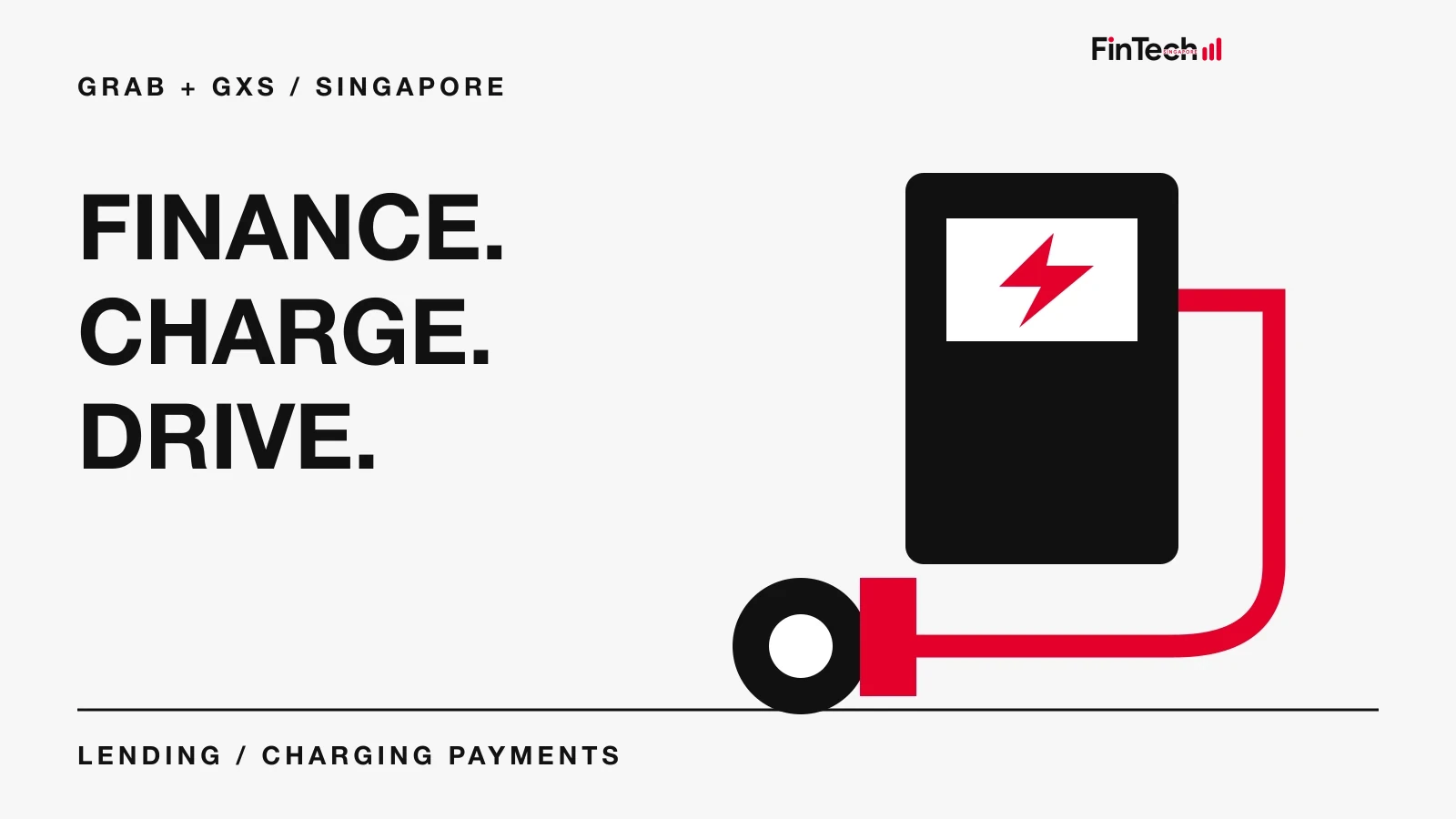
Grab and GXS Bank announced a package on 9 September aimed at helping Singapore drivers switch to electric vehicles. The programme combines vehicle purchasing options, financing and charging payments rather than treating them as separate decisions.
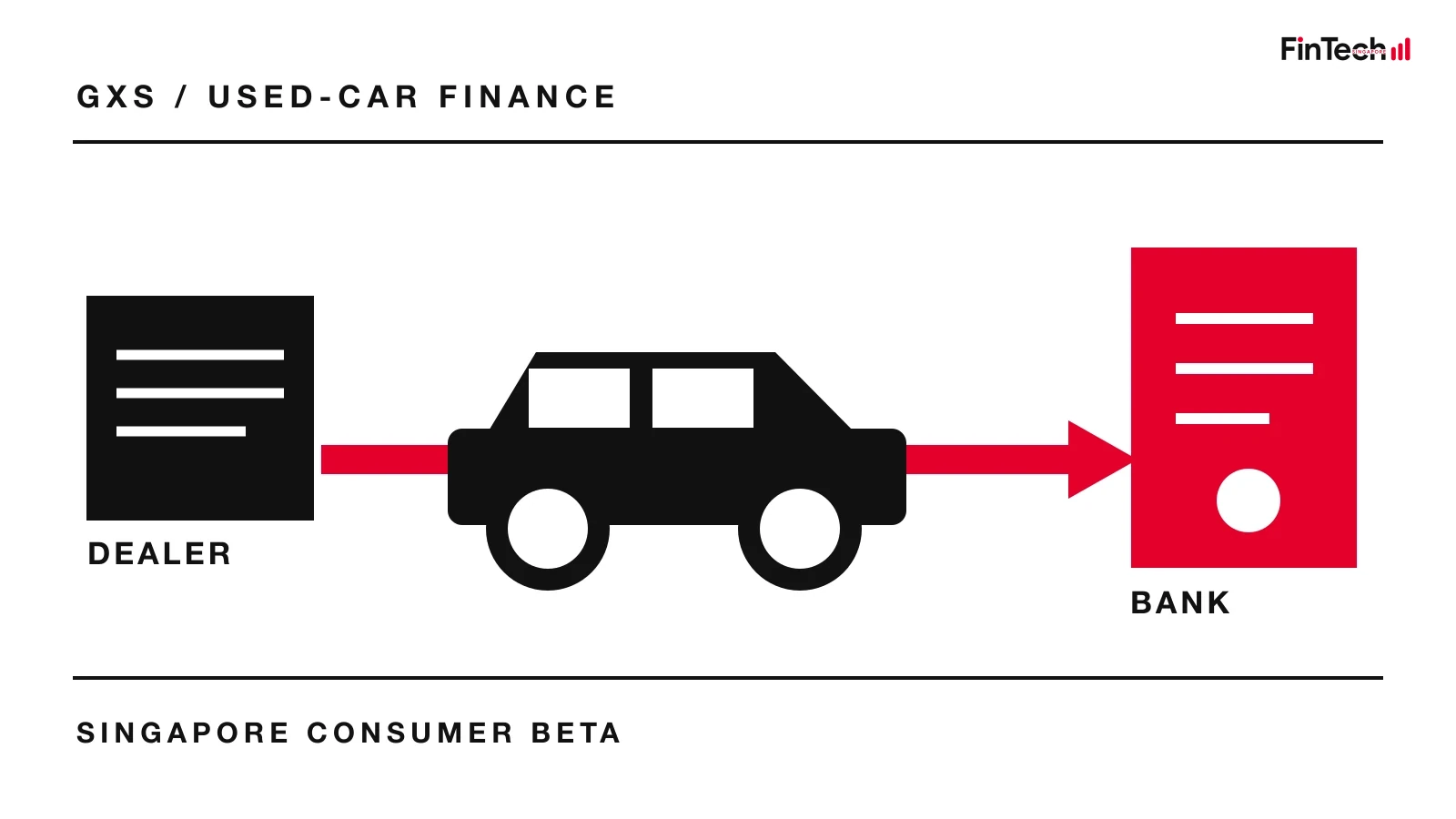
Under the financing component, GXS plans to assess eligible drivers using information about their work on Grab, including operating history and productivity. This is a use of platform data in credit assessment, not a promise that every driver will receive a loan.
A loan’s usefulness to a working driver depends on more than approval. Repayments need to fit the income the vehicle can realistically generate, including time spent charging and periods when the car is not earning. That is the practical lens through which this package should be assessed.
Charging access comes in stages
The joint announcement describes a September trial for selected drivers, with broader availability targeted by year-end. Working with Voltality, Grab plans charging payments inside the Grab Driver app and access across more than 3,000 charging points.
The programme also includes a vehicle marketplace covering new and pre-owned options. These are announced components and roll-out targets; the release should not be read as confirmation that the entire service is already available to all drivers.
The payment integration could reduce the number of separate apps or accounts involved in charging. It does not, by itself, guarantee a charger will be free when a driver arrives.
A lending story, not just an EV promotion
For Singapore fintech, the distinctive feature is the connection between a driver's operating data and a vehicle-financing decision. It offers a concrete example of banking services being built around an existing platform relationship.
The unanswered commercial questions concern take-up, repayment performance and the effect on drivers’ total costs. Those outcomes will only become clear after use. Financing eligibility, the actual offer and repayment obligations remain matters for the bank and applicant, rather than conclusions that can be drawn from the launch.