From isolated tasks to connected workflows
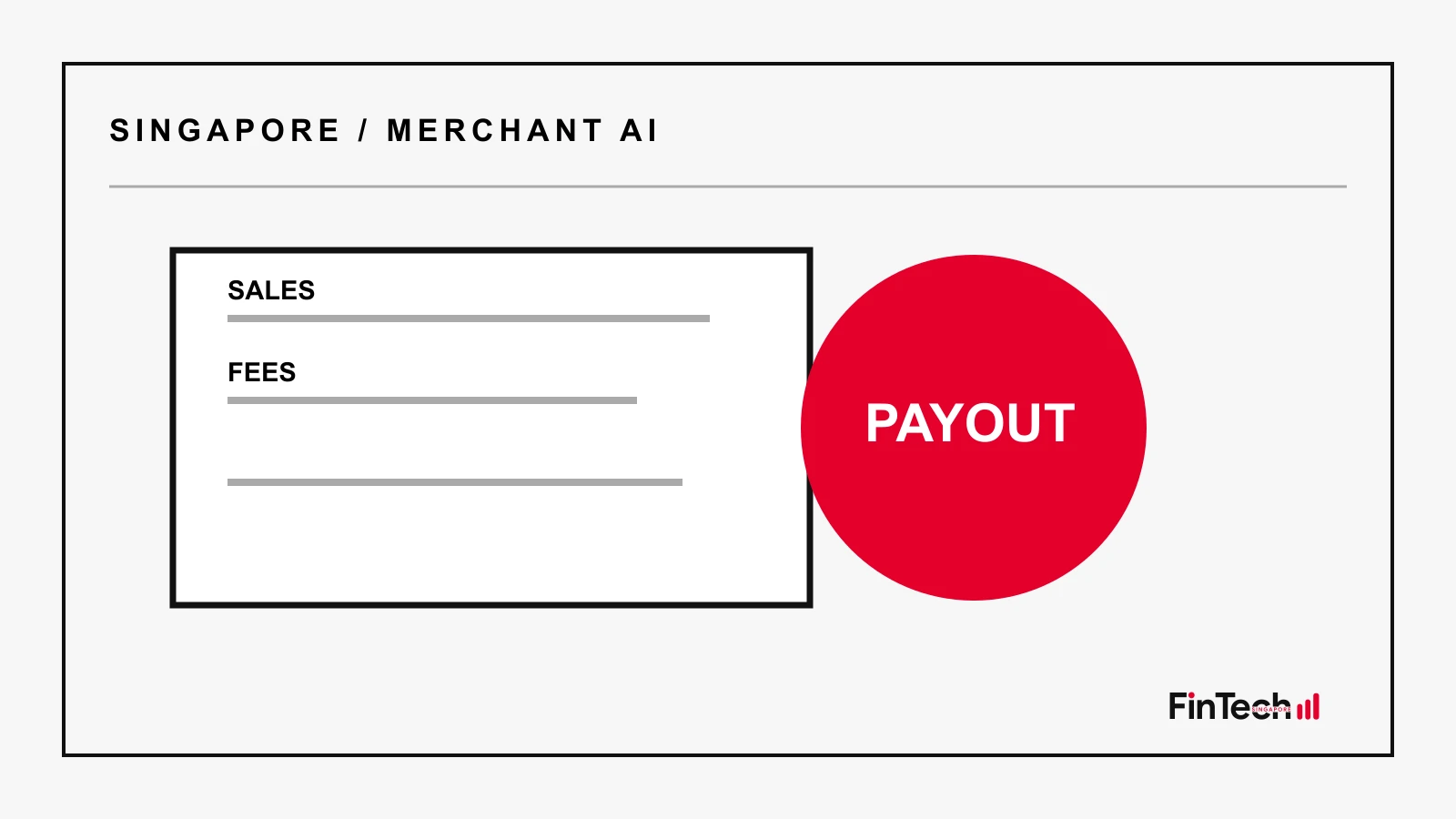
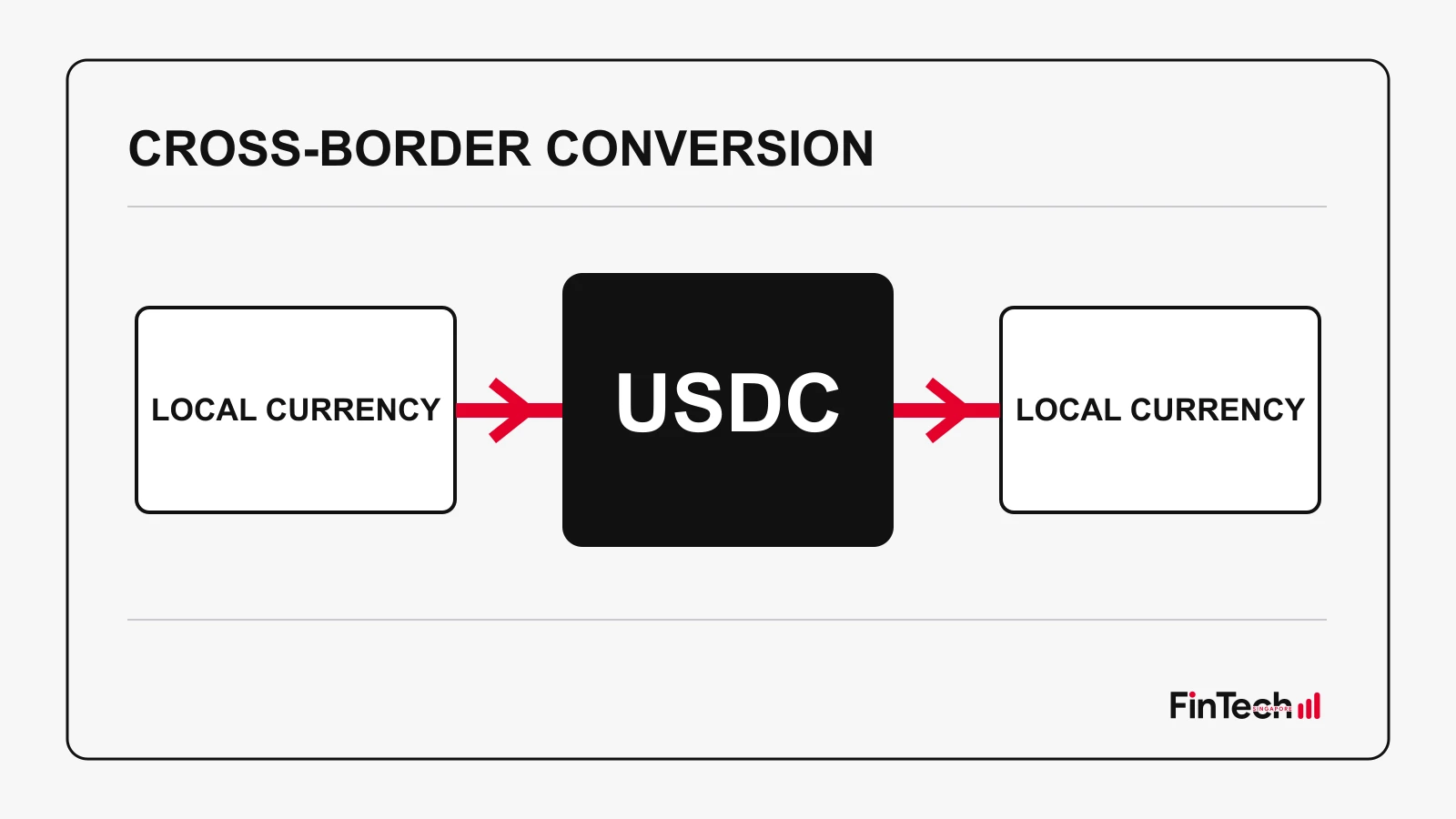
Ant International has announced an expansion of AI-based tools across its financial-services businesses. For Singapore merchants and finance teams, the relevant change is the ambition to connect payment processing, accounts, foreign exchange and treasury work within a broader set of services.
The Singapore-headquartered company described the programme in an 18 September company release covering Alipay+, Antom, WorldFirst and Bettr. The release names Antom’s payment model and FalconTST, a forecasting model for foreign exchange and liquidity, among its technology foundations. Its product rollout is staged across autumn and winter 2026.
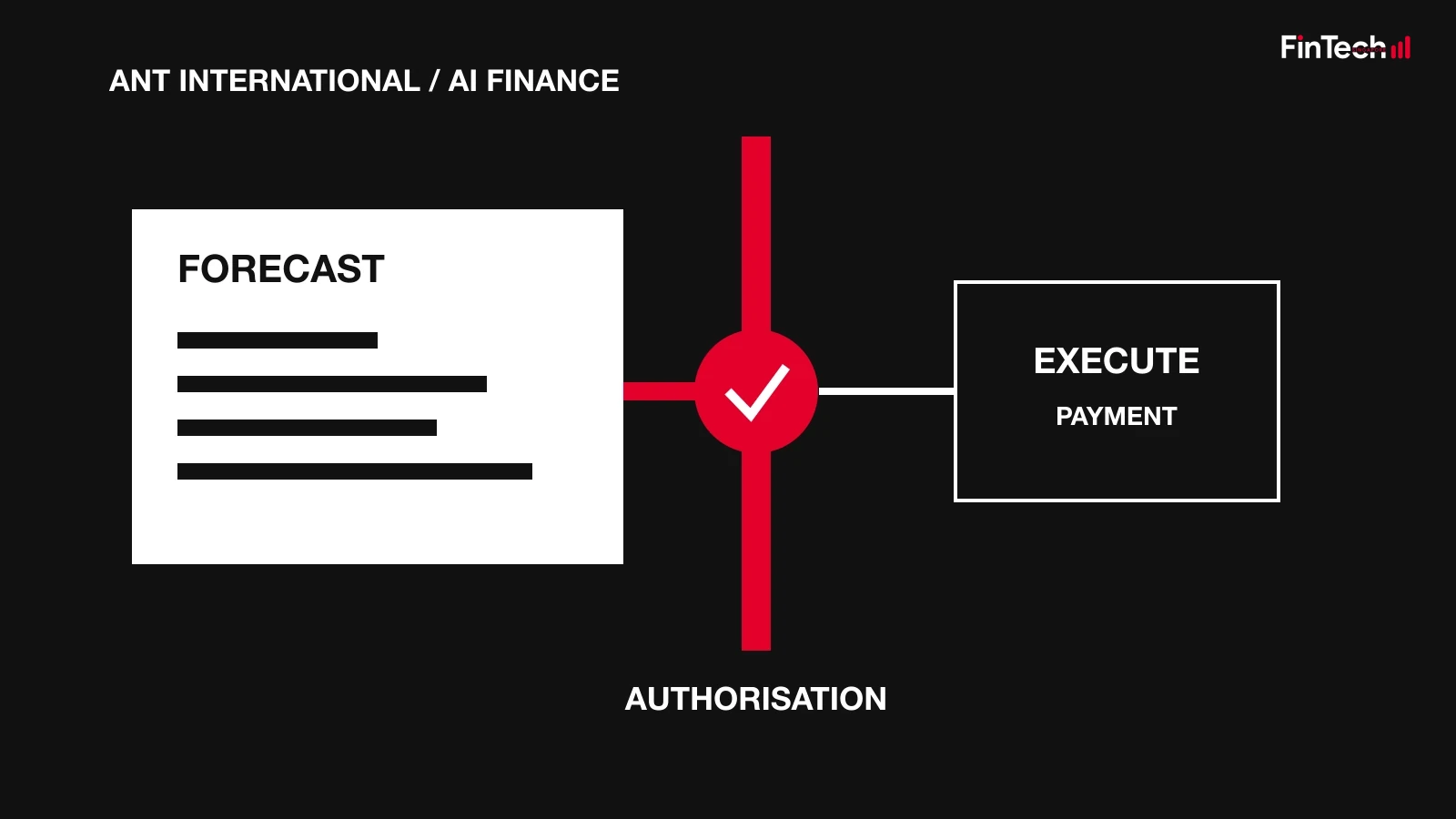
A forecast and a payment instruction are different
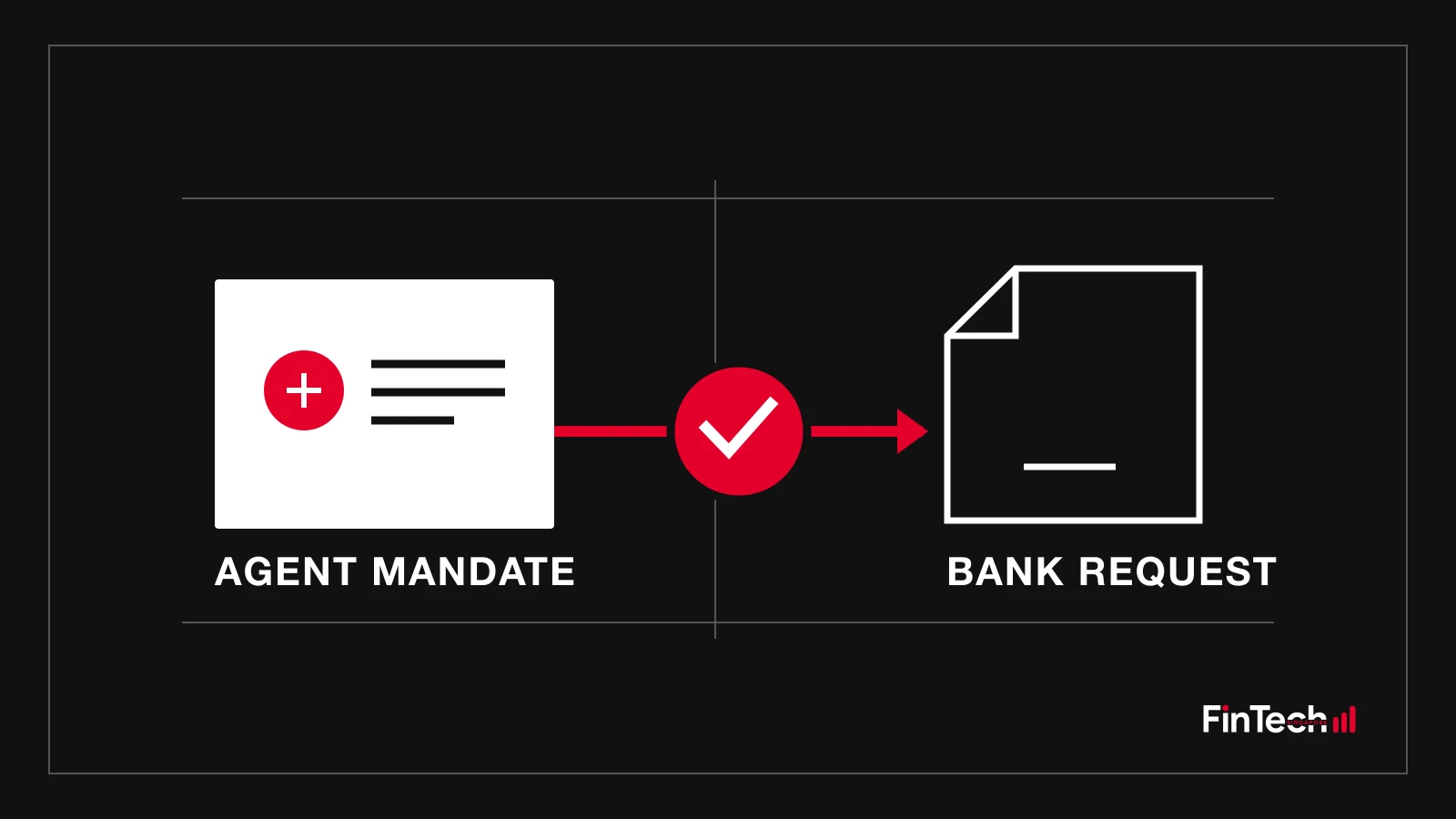
A cash forecast estimates what a business may need. A payment instruction commits money. Connecting those tasks could reduce manual work, but the authority granted to software becomes central to the design.
Consider a hypothetical finance team preparing supplier payments in several currencies. Software might collect expected invoices, highlight a funding gap and suggest a transfer. The business then needs to decide which steps require a person’s approval and what evidence must be retained.
This example illustrates an evaluation question; it is not a claim that a specific Ant product already performs that entire sequence for Singapore customers.
What to establish before enabling automation
The release describes security and governance measures, but a customer still needs the terms and controls of the particular service it will use. A broad product announcement cannot replace that review.
A sensible trial would define permitted accounts, currencies, beneficiaries and transaction values. The team should be able to distinguish a recommendation from an executed action and identify who approved a change. It should also know how to stop an automated process and recover a usable audit trail.
Performance should be measured against the existing workflow. Time saved on routine reconciliation is useful evidence. A forecast that appears precise but cannot be explained or checked may be much less useful to the person responsible for funding.
Availability is the next practical test
Ant’s description of the programme as an industry first is a company claim, not an independently established conclusion. This article does not use that description as a measure of product quality.
Businesses should verify Singapore eligibility, the relevant contracting entity, integration requirements and pricing for each product. The substantive question is how much reliable work a tool can complete within the company’s approval rules.
The development adds a product-provider perspective to the wider discussion of AI-assisted commerce and payments involving DBS and Stripe. It does not mean the two announcements describe the same service.